English
- English
- Español
- Português
- русский
- Français
- 日本語
- Deutsch
- tiếng Việt
- Italiano
- Nederlands
- ภาษาไทย
- Polski
- 한국어
- Svenska
- magyar
- Malay
- বাংলা ভাষার
- Dansk
- Suomi
- हिन्दी
- Pilipino
- Türkçe
- Gaeilge
- العربية
- Indonesia
- Norsk
- تمل
- český
- ελληνικά
- український
- Javanese
- فارسی
- தமிழ்
- తెలుగు
- नेपाली
- Burmese
- български
- ລາວ
- Latine
- Қазақша
- Euskal
- Azərbaycan
- Slovenský jazyk
- Македонски
- Lietuvos
- Eesti Keel
- Română
- Slovenski
- मराठी
- Srpski језик


A Versatile and Efficient Solution for Modern Printing
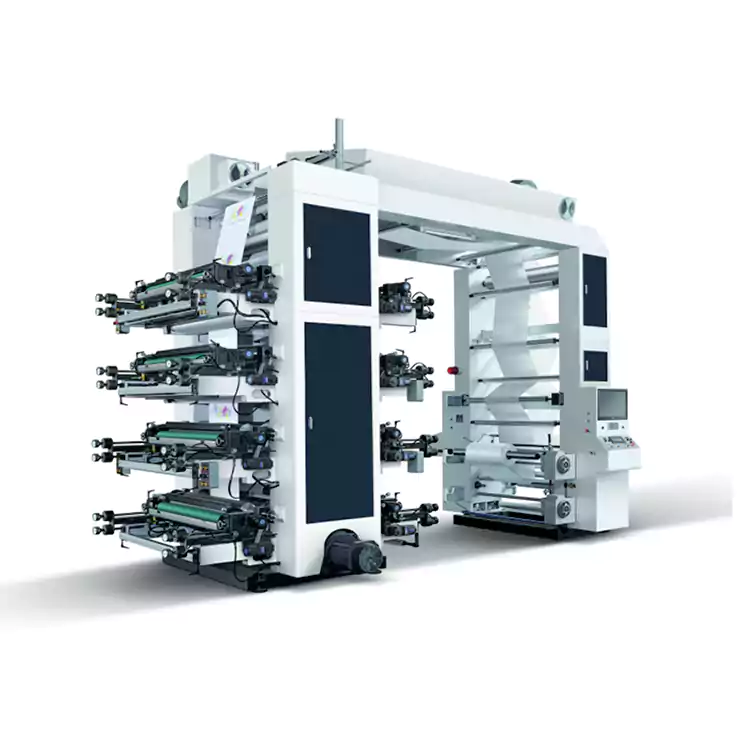
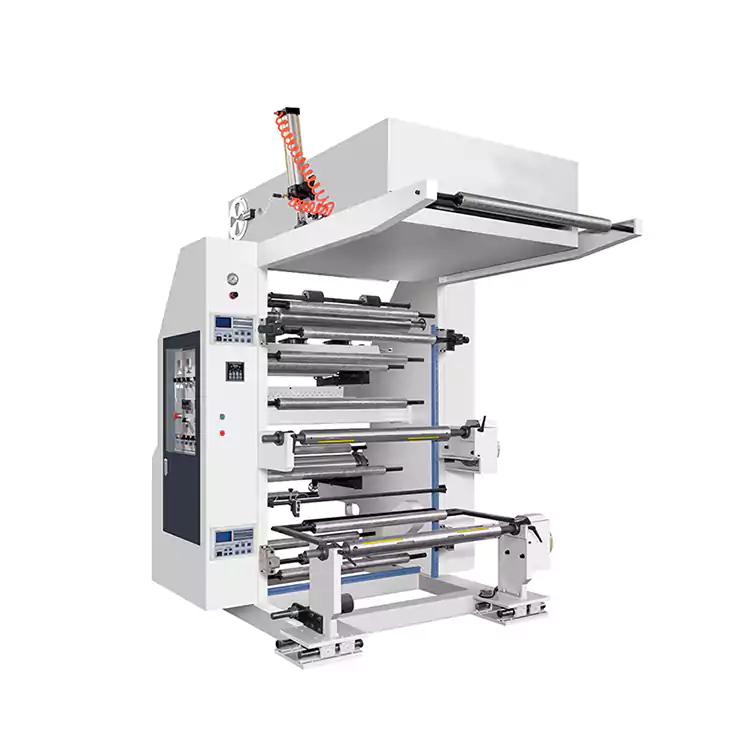
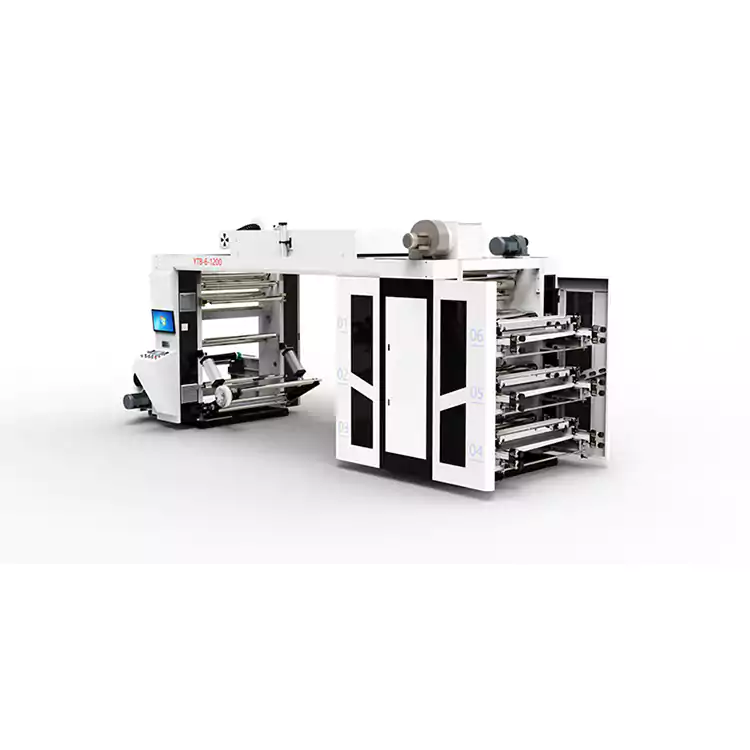
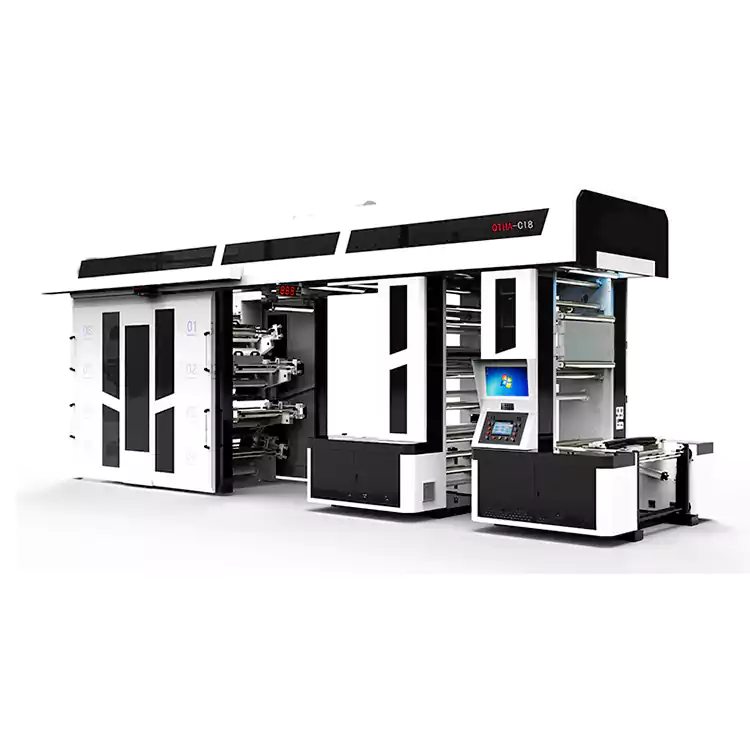
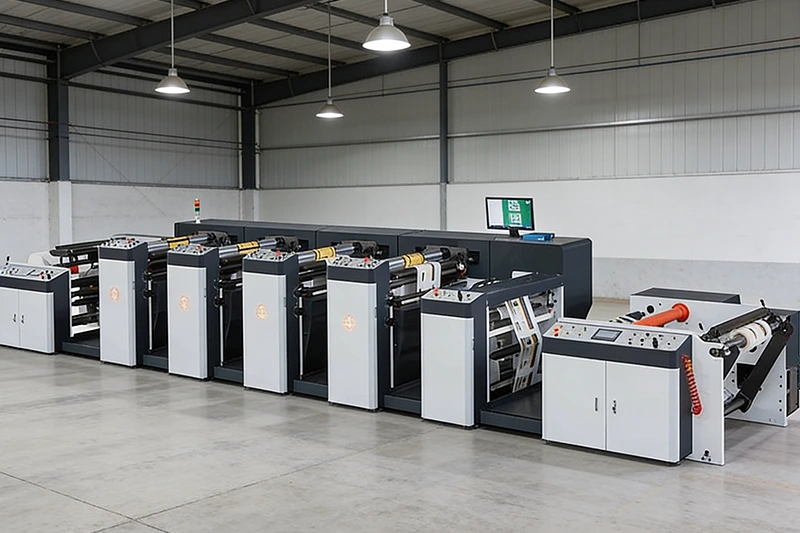
In the dynamic landscape of modern printing, flexibility, efficiency, and adaptability have become the core demands of various industries, from packaging to label production. Among the diverse range of printing equipment available today, the unit-type flexo printing machine stands out as a reliable and versatile workhorse, widely recognized for its modular design and exceptional performance. Also known as inline flexo printing machines, these devices have revolutionized the flexographic printing process by offering unparalleled customization capabilities, making them indispensable for businesses of all sizes, especially small and medium-sized enterprises (SMEs) seeking cost-effective and high-quality printing solutions.To understand the uniqueness of unit-type flexo printing machines, it is essential to first grasp their fundamental design and working principle. Unlike satellite (central impression, CI) flexo presses that feature a single central cylinder surrounded by printing units, unit-type flexo presses are constructed with independent, horizontally arranged printing units that operate in a linear sequence. Each unit functions as a self-contained module, equipped with key components including a plate cylinder, anilox roller, inking system, and impression cylinder—all working in harmony to transfer ink onto the printing substrate with precision. The modular structure allows these units to be easily combined, added, or reconfigured according to specific printing requirements, such as the number of colors, substrate type, or desired print size.The components of a unit-type flexo printing machine are engineered to work seamlessly together, ensuring consistent and high-quality output. The plate cylinder holds the flexible printing plate, which carries the desired image or text to be printed. The anilox roller, a critical part of the inking system, is responsible for transferring a uniform layer of ink from the ink fountain to the printing plate, with the doctor blade controlling the ink volume to avoid excess or uneven application. The impression cylinder applies the necessary pressure to transfer the inked image from the plate onto the substrate, which passes through each unit sequentially to achieve multi-color printing. Additionally, modern unit-type flexo presses are often equipped with advanced control systems for tension control, edge position control, and registration adjustment, further enhancing print accuracy and reducing operational errors. Optional inline finishing modules, such as laminating, die-cutting, embossing, and varnishing, can also be integrated, eliminating the need for separate post-printing processes and streamlining production workflows.One of the most significant advantages of unit-type flexo printing machines is their exceptional versatility. Thanks to their modular design, they can be easily customized to accommodate a wide range of printing needs, from 1-color to 8-color printing, and can handle various substrate types, including paper, cardboard, plastic films (PE, PP, PET), labels, and flexible packaging materials. This versatility makes them suitable for a diverse array of applications, such as food and beverage packaging, pharmaceutical labels, corrugated cartons, gift wrapping, and promotional materials. For businesses that handle small to medium print runs or frequently switch between different products, the quick setup time and fast job changeover capability of unit-type flexo presses significantly reduce downtime, improving overall production efficiency and profitability.In addition to versatility, unit-type flexo printing machines offer notable cost-effectiveness, making them an ideal choice for SMEs. The flexible printing plates used in these machines are more affordable than the plates used in other printing methods, such as gravure or offset printing. Moreover, their ability to handle multiple substrates and integrate inline finishing reduces the need for additional equipment and labor, lowering operational costs in the long run. While their printing speed is generally lower than that of CI flexo presses (typically 100-300 meters per minute compared to 300-600 meters per minute for CI presses), they are perfectly suited for small to medium batch production, where flexibility and cost savings are prioritized over ultra-high speed. Furthermore, advancements in technology, such as the adoption of shaftless drive systems, have improved the print accuracy and operational flexibility of unit-type flexo presses, narrowing the gap with higher-speed alternatives.Environmental sustainability is another key benefit of modern unit-type flexo printing machines. With increasing global emphasis on eco-friendly practices, manufacturers have developed these machines to use water-based and UV-curable inks, which emit fewer volatile organic compounds (VOCs) compared to traditional solvent-based inks. Energy-efficient drying systems, such as LED-UV curing, further reduce energy consumption and carbon emissions, aligning with the sustainability goals of many brands and regulatory requirements in regions like Europe and North America. Additionally, the precise ink control and minimal waste generation of these machines contribute to more sustainable printing practices, reducing environmental impact while maintaining cost-effectiveness.The global market for unit-type flexo printing machines is experiencing steady growth, driven by several key factors. According to market research, the global unit-type flexo printing press market was estimated at USD 566.75 million in 2024 and is projected to grow at a compound annual growth rate (CAGR) of 5.70% in the coming years. The expansion of the e-commerce industry, which has increased demand for corrugated packaging and labels, is a major driver of market growth, particularly in the Asia-Pacific region—the largest and fastest-growing market for flexographic printing equipment. The rising adoption of eco-friendly inks and the shift toward short-run, quick-changeover printing also contribute to the increasing demand for unit-type flexo presses globally. Furthermore, the integration of digital technologies, such as AI-assisted press controls and inline inspection systems, is enhancing the functionality and efficiency of these machines, opening up new opportunities in high-precision printing applications.Despite their numerous advantages, unit-type flexo printing machines do face certain challenges. One of the main limitations is their relatively lower overprint accuracy compared to CI flexo presses, as the substrate is transferred between independent units and may be affected by tension fluctuations. However, this issue has been significantly mitigated by technological advancements, such as shaftless drives and advanced registration control systems, allowing modern unit-type flexo presses to meet the accuracy requirements of most packaging and label applications. Another challenge is the initial investment cost for high-end models equipped with advanced features, though this is often offset by long-term cost savings and improved efficiency.Looking ahead, the future of unit-type flexo printing machines is promising, with continuous technological innovations expected to enhance their performance and expand their applications. The development of hybrid press platforms, which combine the low running costs of flexo printing with the variable-data capabilities of digital printing, is likely to redefine the market landscape, offering businesses even more flexibility and functionality. Further advancements in eco-friendly technologies, such as biodegradable inks and energy-efficient components, will also align these machines with global sustainability trends. Additionally, the growing demand for personalized and customized printing, driven by consumer preferences and e-commerce growth, will continue to fuel the adoption of unit-type flexo presses, as their modular design makes them well-suited for handling small-batch, customized print jobs efficiently.
In conclusion, the unit-type flexo printing machine is a versatile, efficient, and cost-effective printing solution that has become a cornerstone of modern printing industries. Its modular design, wide substrate compatibility, and integration capabilities make it suitable for a diverse range of applications, from packaging to labels. While it faces certain challenges, ongoing technological advancements are continuously improving its performance, making it an increasingly competitive option in the global printing equipment market. As businesses continue to prioritize flexibility, sustainability, and cost savings, the unit-type flexo printing machine is poised to remain a vital tool for meeting the evolving demands of the modern printing industry.
Related News
- How Does a Unit-Type Flexo Printing Machine Enhance Your Production?
- How Does a CI Type Flexo Printing Machine Work?
- How Does a Flexo Printing Machine Improve Your Production Efficiency?
- Non-Woven Bag Making Machine Market Key Drivers, Challenges, and Opportunities
- Why is flexography becoming the next big career trend in printing and manufacturing?
- What Makes a Unit-Type Flexo Printing Machine Essential for Modern Packaging?
Leave me a message
New Products