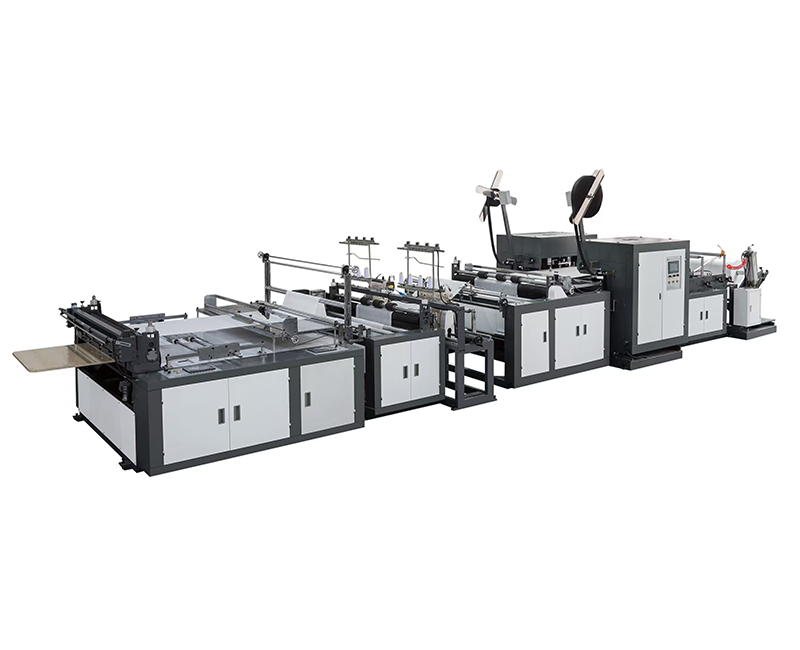
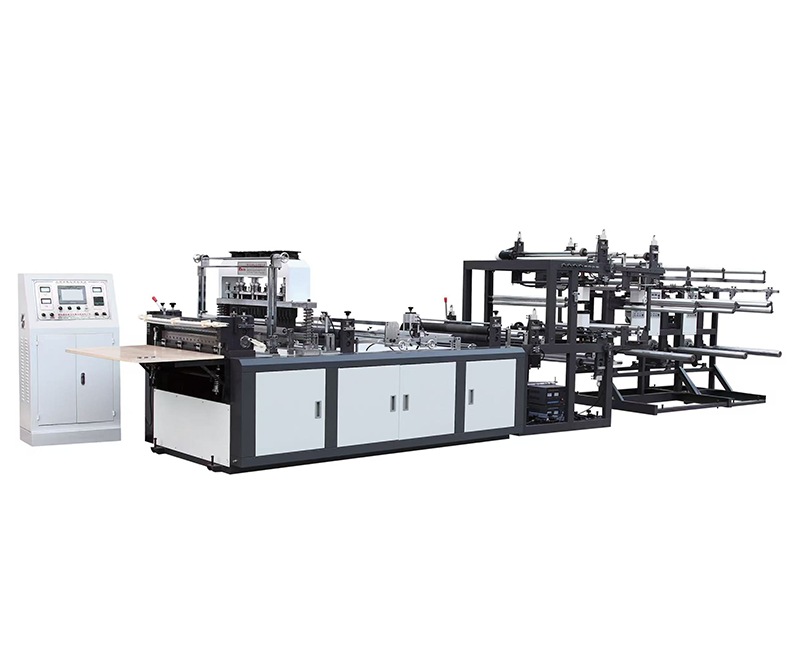
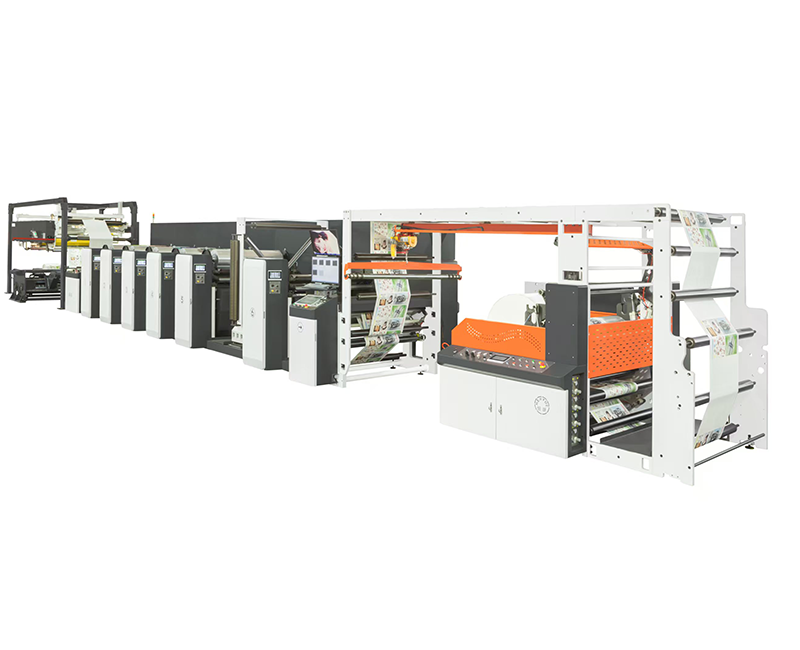
Backpacks, as an indispensable practical item in daily life, are manufactured by a blend of traditional craftsmanship and modern technology. From simple canvas backpacks to high-tech mountaineering backpacks, different types of backpacks have different requirements for production equipment. This article will detail the key machinery and equipment needed to manufacture various types of backpacks, revealing the complex manufacturing process behind this seemingly simple product.
I. Equipment for Design and Development Phase
Before entering actual production, the design and development phase requires specific equipment:
CAD/CAM System: Computer-aided design and manufacturing system used to design bag structures, create patterns and templates.
Digital Cutting Plotter: Used to draw designs directly onto cardboard or film for template creation.
3D Printer: Used to create prototypes and test samples, especially for complex structures and accessories.
Sample Sewing Machine: An industrial sewing machine specifically designed for prototyping, with adjustable sewing modes.
II. Raw Material Processing Equipment
Cut Process Machines
Automatic Fabric Laying Machine: Lays rolls of fabric flat on a large cutting table, capable of processing multiple layers of fabric simultaneously.
Computerized Cutting Machine: Automatically cuts fabric according to CAD designs, offering high precision and efficiency, saving 15-20% of material.
Laser Cutting Machine: Used for precise cutting of special materials or complex shapes, with automatic edge sealing to prevent wear.
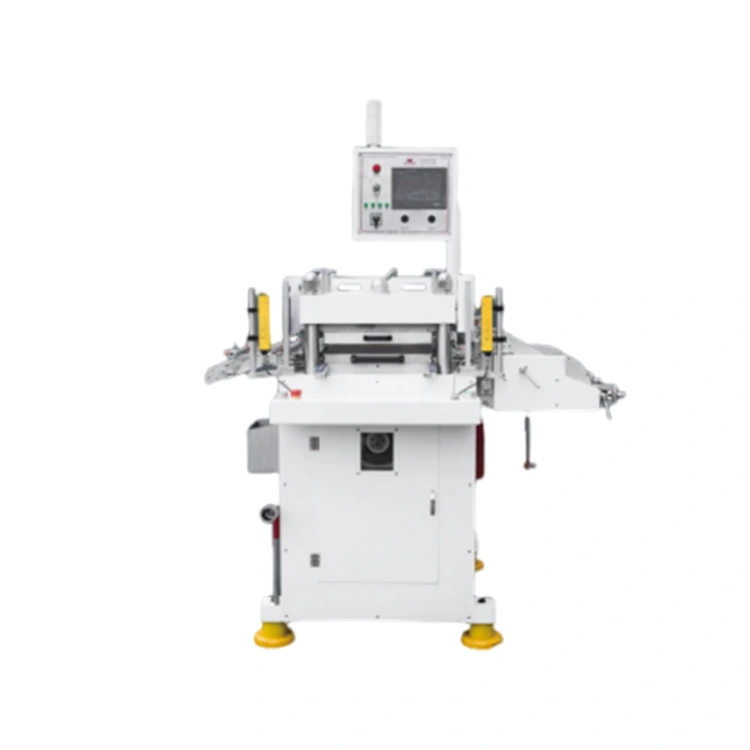
Hydraulic Punch Press: Used for… For batch cutting of small parts of specific shapes, such as shoulder strap loops and labels.
Fabric Processing Equipment:
Hot Press Bonding Machine: Bonds fabrics of different materials (such as nylon and sponge) together using hot pressing technology.
Coating Machine: Adds special coatings such as waterproof and stain-resistant coatings to fabrics.
Fabric Pre-shrinking Machine: Prevents the finished product from shrinking and deforming during use.
III. Core Sewing and Assembly Equipment
Basic Sewing Equipment:
Industrial Flatbed Sewing Machine:The most basic sewing equipment, used for most straight stitches.
Overlock/Seam Overlock Machine:Prevents fabric edge abrasion and improves product durability.
Double Needle Sewing Machine:Used to create parallel double-line stitches, commonly found in load-bearing parts of backpacks.
Specialized Sewing Equipment:
Cylindrical Sewing Machine:Specifically used for sewing circular or tubular parts, such as backpack side pockets.
High-Legged Sewing Machine: Used for sewing thicker or multi-layered materials, such as the bottom of backpacks and shoulder strap connections.
Computer-Programmed Sewing Machine: Can preset complex sewing patterns and automatically complete the sewing of logos and decorative patterns.
Special Features Special Processing Equipment
Ultrasonic Welding Machine: Used for needle-free joining, commonly used in the seams of waterproof backpacks.
Hot Air Seam ... Finished product finishing: wrinkle removal
Automated packaging system: finished product folding, bagging, and boxing
Environmental Protection and Sustainable Development Equipment
With the popularization of sustainable development concepts, modern backpack manufacturing has also introduced environmentally friendly equipment:
Fabric recycling system: recycling and reusing cutting waste
Water-based coating equipment: replacing traditional chemical coatings, reducing environmental pollution
Solar power system: providing clean energy for some production processes
Wastewater treatment system: treating wastewater generated during dyeing and coating processes
Special Equipment Requirements for Different Types of Backpacks
Outdoor mountaineering backpacks: require more complex molds and sewing equipment to handle multiple compartments and load-bearing systems
Laptop bags: require precise shockproof material cutting and shaping equipment
Fashion backpacks: require more refined decoration and embroidery equipment
Waterproof backpacks: require specialized welding and sealing equipment
Conclusion
The backpack manufacturing industry has transformed from a labor-intensive industry to a technology-intensive industry. Modern backpack production lines integrate automated machinery, computer control, and precision engineering technology. From design to finished product, a backpack may require more than 30 processes and dozens of specialized equipment. With the development of intelligent manufacturing and personalized customization trends, backpack manufacturing equipment is evolving towards greater intelligence, flexibility, and environmental friendliness to meet market demands for high-quality, personalized products.
Understanding this equipment not only helps us appreciate the complexity of manufacturing everyday items but also provides a foundation for those aspiring to enter this industry. From simple canvas bags to high-tech smart backpacks, each product is the result of a series of sophisticated devices working together, demonstrating the continuous progress and innovation of human manufacturing technology.
We use cookies to offer you a better browsing experience, analyze site traffic and personalize content. By using this site, you agree to our use of cookies.Privacy Policy