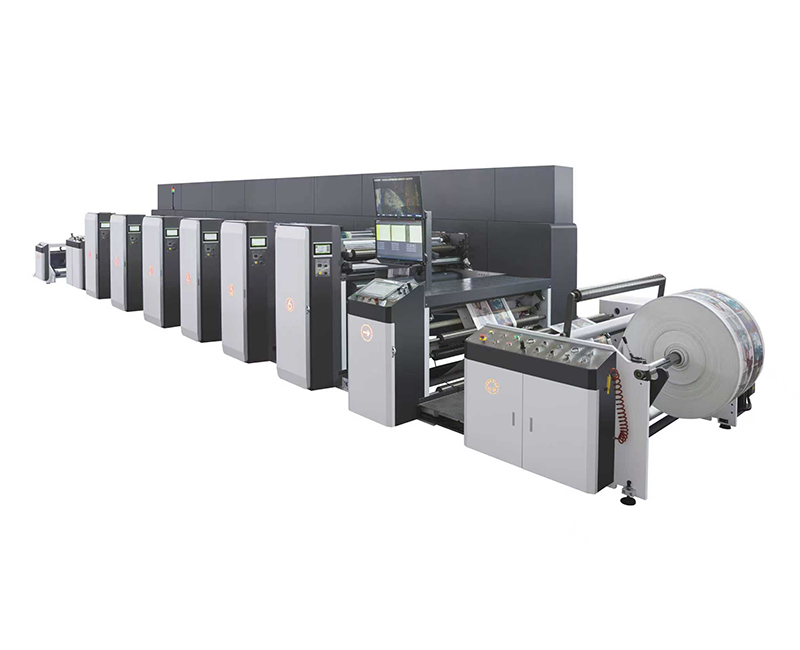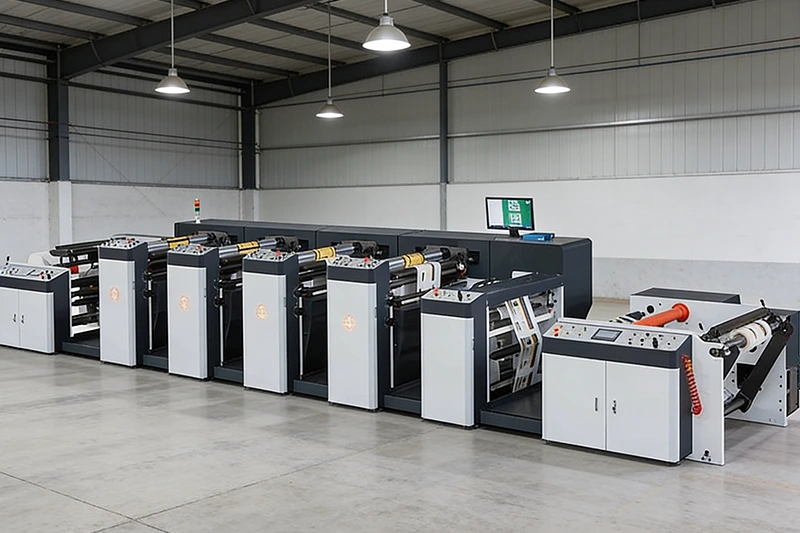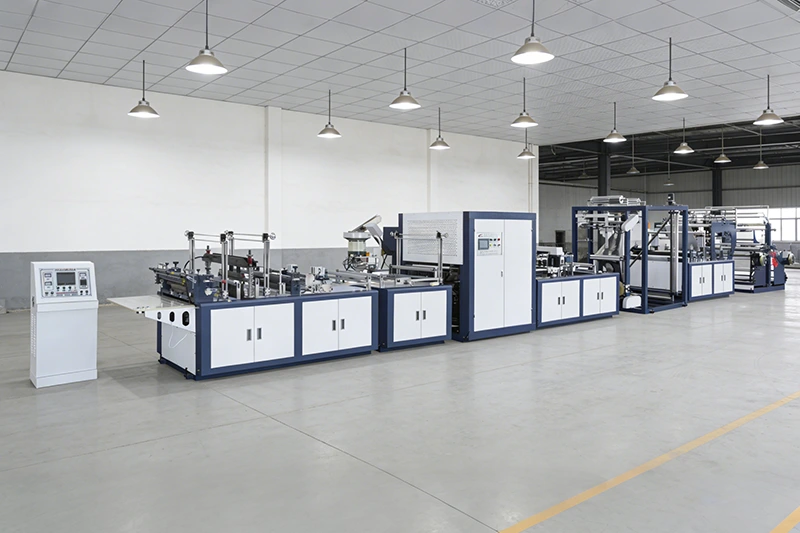

Non-Woven Bag Making Machine Market Key Drivers, Challenges, and Opportunities
Non-Woven Bag Making Machine Market Growth Trends
The non-woven bag making machine market has experienced significant growth over recent years, driven primarily by increasing environmental awareness and the global shift towards sustainable packaging solutions. As consumers and businesses alike seek eco-friendly alternatives to traditional plastic bags, the demand for non-woven bags has surged, prompting manufacturers to invest in advanced machinery capable of producing high-quality, durable, and customizable bags efficiently.
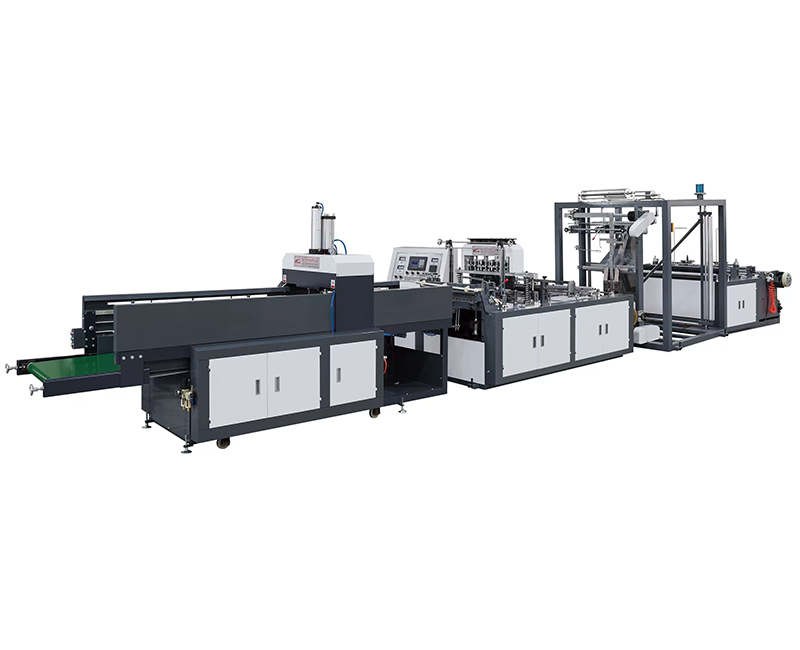
Technological advancements have played a pivotal role in shaping market growth. Modern non-woven bag making machines now incorporate automation, high-speed operations, and energy-efficient features, which have collectively enhanced productivity and reduced operational costs. These innovations have made non-woven bags more accessible and affordable, further fueling market expansion across various sectors including retail, hospitality, and healthcare.
Regional markets are witnessing varied growth trajectories, with Asia-Pacific leading due to rapid urbanization, increasing environmental regulations, and a burgeoning retail sector. Meanwhile, North America and Europe are experiencing steady growth driven by stricter regulations on single-use plastics and a rising consumer preference for sustainable products. Overall, the market is poised for substantial growth, supported by regulatory policies and increasing environmental consciousness worldwide.
Non-Woven Bag Making Machine Market Future Opportunities
The future of the non-woven bag making machine market is promising, with numerous opportunities emerging from technological innovations and shifting consumer preferences. The integration of smart manufacturing, automation, and AI-driven processes is expected to streamline production capabilities, reduce costs, and enhance customization options. Additionally, expanding applications in healthcare, agriculture, and industrial packaging present new avenues for growth. Governments worldwide are implementing stricter environmental regulations, creating a favorable environment for eco-friendly bag manufacturing. Investment in R&D to develop more sustainable, biodegradable non-woven materials will further open markets and increase adoption rates. Overall, the market is set to benefit from these dynamic trends, driving long-term growth and diversification.
Non-Woven Bag Making Machine Market Outlook Driven by Innovation
The market outlook is heavily influenced by continuous innovation in machinery and materials. Manufacturers are focusing on developing high-speed, energy-efficient, and versatile machines capable of producing various types of non-woven bags, including customized and printed options. Innovations in non-woven fabric technology, such as biodegradable and recyclable materials, are also gaining traction, aligning with global sustainability goals. These technological advancements not only improve product quality but also enable manufacturers to meet stringent environmental standards, thereby expanding their market reach. The outlook remains optimistic as innovation remains at the core of competitive strategy, ensuring the industry adapts to evolving regulatory and consumer demands.
Non-Woven Bag Making Machine Market Digital Transformation
Digital transformation is revolutionizing the non-woven bag making industry by enabling smarter, more efficient manufacturing processes. The adoption of Industry 4.0 technologies, including IoT, automation, and data analytics, allows for real-time monitoring, predictive maintenance, and optimized production workflows. These digital tools enhance operational efficiency, reduce downtime, and improve product quality. Moreover, digital platforms facilitate better supply chain management and customer engagement through online customization and ordering systems. As digital transformation accelerates, manufacturers are increasingly leveraging these technologies to stay competitive, innovate faster, and meet the rising demand for sustainable, high-quality non-woven bags.
Non-Woven Bag Making Machine Market Dynamics: Drivers, Challenges, and Innovations
The growth of the non-woven bag making machine market is primarily driven by increasing environmental awareness, regulatory pressures to reduce plastic waste, and rising demand from retail and packaging sectors. Innovations such as automation, high-speed machinery, and eco-friendly materials contribute to market expansion. However, challenges persist, including high initial capital investments, technological complexities, and fluctuating raw material costs. Additionally, concerns over the recyclability and biodegradability of non-woven fabrics necessitate ongoing research and development. The industry continues to evolve through innovations that address these challenges, including the development of sustainable materials and cost-effective machinery, ensuring resilient growth in a competitive landscape.
Competitive Landscape Overview
The non-woven bag making machine market is characterized by a mix of established players and emerging manufacturers, all striving to innovate and capture market share. Leading companies focus on technological advancements, expanding their product portfolios, and establishing strategic partnerships to strengthen their market presence. Key players are investing heavily in R&D to develop eco-friendly machinery and versatile solutions capable of producing a wide range of non-woven bags. Market consolidation through mergers and acquisitions is also observed, aimed at enhancing technological capabilities and expanding geographic reach. Overall, the competitive landscape remains dynamic, with continuous innovation and strategic initiatives driving industry growth.
Frequently Asked Questions
What are the main drivers of growth in the non-woven bag making machine market? Increasing environmental awareness, regulatory policies promoting sustainable packaging, and rising demand from retail and healthcare sectors are primary drivers.
What materials are commonly used in non-woven bag manufacturing? Non-woven fabrics made from polypropylene, polyester, and biodegradable materials are commonly used due to their durability and friendliness.
How is technological innovation impacting the market? Innovations such as automation, high-speed machinery, and eco-friendly materials are improving efficiency, reducing costs, and expanding application options.
What regions are experiencing the fastest growth in this market? Asia-Pacific leads in growth, driven by rapid urbanization and environmental regulations, followed by North America and Europe.
What challenges does the industry face? High capital costs, technological complexities, and concerns over the recyclability of non-woven fabrics pose significant challenges.
How is digital transformation influencing manufacturing processes? It enables real-time monitoring, predictive maintenance, and enhanced supply chain management, leading to increased efficiency.
What future trends are expected in the non-woven bag making machine market? Increased adoption of smart manufacturing, biodegradable materials, and customization options are key future trends.
Are there any environmental concerns associated with non-woven fabrics? Yes, particularly regarding the recyclability and biodegradability of certain non-woven materials, prompting ongoing R&D efforts.
What role do government policies play in market development? Stricter regulations on plastic waste and incentives for sustainable manufacturing significantly boost market growth.
What are the prospects for new entrants in this industry? While high initial investments pose barriers, technological innovation and increasing demand for eco-friendly products create opportunities for new players.
Non-woven Bag Making Machine Market by Machine Type
Flat Bag Making Machine
Side Gusset Bag Making Machine
Bottom Gusset Bag Making Machine
Wicket Bag Making Machine
Handle Bag Making Machine
non-woven bag making machine market by Automation Level
Fully Automatic
Semi-Automatic
Manual
non-woven bag making machine market by Material Type
PP Non-Woven
PE Non-Woven
Composite Non-Woven
non-woven bag making machine market by End-Use Industry
Retail & Grocery
Pharmaceutical
Agriculture
Apparel & Textiles
Promotional & Packaging
Geographic Outlook of the Non-Woven Bag Making Machine Market: Regional Dynamics and Strategic Opportunities
The geographic landscape of the Non-Woven Bag Making Machine Market demonstrates diverse growth patterns across key global regions, influenced by differences in technological advancement, regulatory environments, industrial development, and capital investment trends. Each region presents unique opportunities shaped by economic priorities, infrastructure readiness, and sector-specific demand.
North Americamaintains a leading position in the Non-Woven Bag Making Machine Market, supported by a mature industrial ecosystem, early adoption of advanced technologies, and consistent investment in research, automation, and digital transformation initiatives. Strong presence of key industry players and a well-established regulatory framework further reinforce the region’s dominance.
Europefollows closely, driven by strict regulatory compliance standards, sustainability mandates, and significant investments in modernization across industrial and commercial sectors. Emphasis on energy efficiency, environmental responsibility, and smart infrastructure development continues to stimulate market expansion throughout the region.
The Asia-Pacificregion is expected to witness the fastest growth rate, fueled by rapid industrialization, expanding manufacturing bases, urbanization, and increasing adoption of cost-efficient technologies. Countries such as China, India, and emerging Southeast Asian economies are accelerating infrastructure development and technological integration, creating substantial market opportunities.
Latin Americapresents emerging growth potential supported by infrastructure upgrades, industrial expansion, and gradual technological adoption. Meanwhile, the Middle East & Africa region benefits from rising investments in energy, construction, and smart city initiatives, contributing to steady market development.
Overall, regional diversification, supportive government policies, expanding industrial applications, and cross-border investments are collectively shaping strong long-term growth prospects for the Non-Woven Bag Making Machine Market.
Customer First
Provide 24/7 telephone con
Related News
- How Does a Unit-Type Flexo Printing Machine Enhance Your Production?
- How Does a CI Type Flexo Printing Machine Work?
- How Does a Flexo Printing Machine Improve Your Production Efficiency?
- Why is flexography becoming the next big career trend in printing and manufacturing?
- What Makes a Unit-Type Flexo Printing Machine Essential for Modern Packaging?
- What Is a Bag Making Machine?
Leave me a message