
How Does a Flexo Printing Machine Improve Your Production Efficiency?
Summary: Flexo printing machines have revolutionized the packaging and label industry by offering high-speed, high-quality printing solutions. This article explores the mechanics, advantages, and practical considerations of flexographic printing, helping businesses identify the right equipment to enhance productivity and reduce operational challenges.
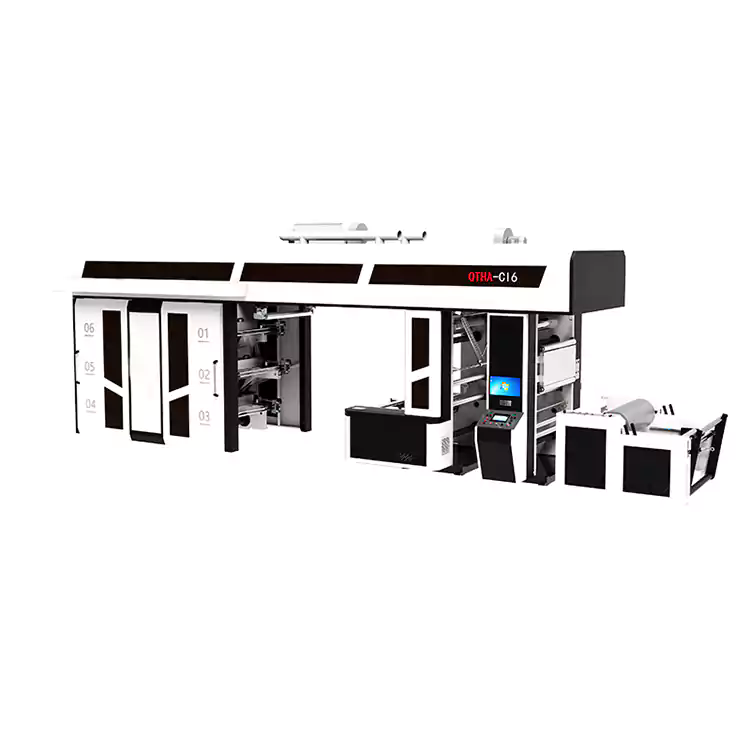
Table of Contents
- Introduction to Flexo Printing Machines
- How Does a Flexo Printing Machine Work?
- Key Components of a Flexo Printing Machine
- Benefits of Using Flexo Printing Machines
- Common Operational Issues and Solutions
- Maintenance Tips for Longevity
- Frequently Asked Questions
- Conclusion
Introduction to Flexo Printing Machines
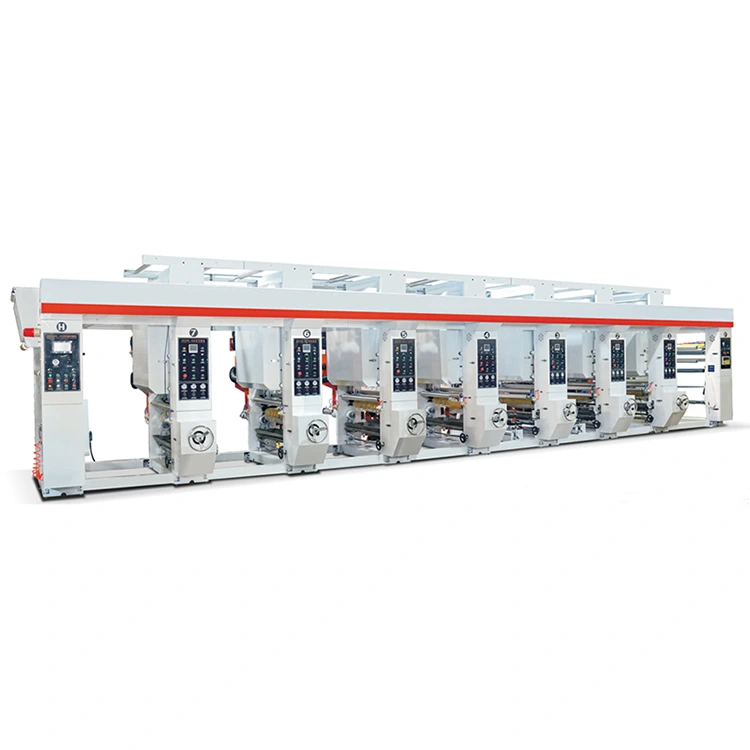
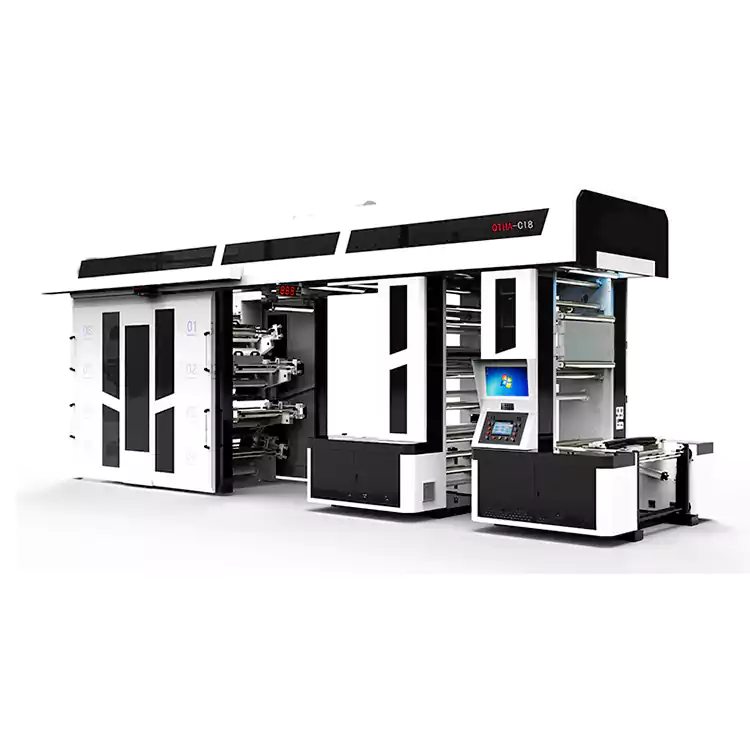
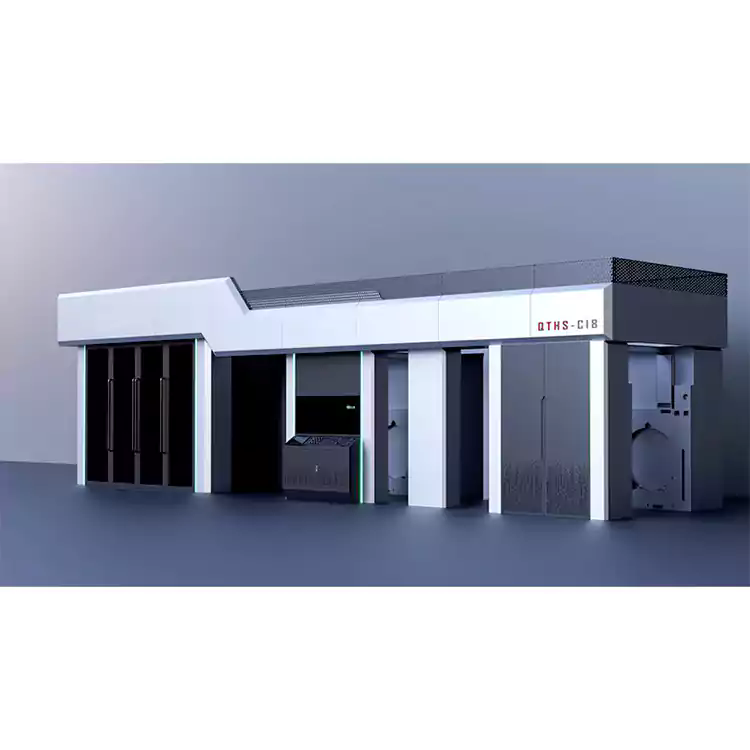
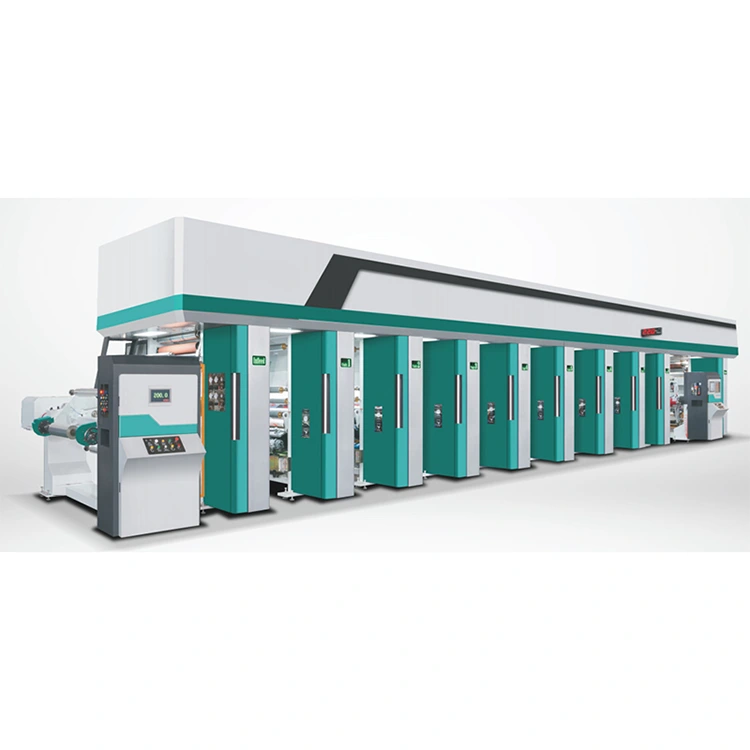
Flexo printing machines are widely used in the packaging, labeling, and decorative printing industries due to their ability to print on a variety of substrates, including paper, plastic, foil, and cardboard. Businesses like Green ohm Intelligent Equipment Co,Ltd. have focused on developing high-efficiency models that reduce downtime and maximize output quality.
Flexographic printing offers flexibility, speed, and precision, making it an essential investment for companies looking to scale production without compromising quality.
How Does a Flexo Printing Machine Work?
Flexo printing operates on a simple principle: transferring liquid ink from a flexible relief plate onto the substrate. Here's the step-by-step process:
- Ink Application: Ink is applied to the raised surface of a flexible printing plate using an anilox roller.
- Plate Transfer: The plate transfers the ink pattern directly onto the material.
- Substrate Movement: The substrate moves continuously under precise tension control to ensure accurate registration.
- Drying Process: Drying systems such as UV or hot air ensure fast ink curing and prevent smudging.
Key Components of a Flexo Printing Machine
| Component | Function |
|---|---|
| Printing Plate | Transfers ink to the substrate in the desired pattern. |
| Anilox Roller | Controls the amount of ink delivered to the plate. |
| Substrate Handling System | Maintains precise tension and alignment of the material. |
| Drying Unit | Ensures quick ink curing for consistent results. |
| Ink Fountain | Holds and supplies ink to the anilox roller. |
Benefits of Using Flexo Printing Machines
- High-Speed Production: Ideal for large-volume printing with minimal delays.
- Versatility: Can print on a wide range of materials.
- Consistent Quality: Advanced plate and roller technology ensures uniform ink distribution.
- Cost-Efficient: Lower operational costs due to less waste and faster setup times.
- Environmental Advantages: Modern machines reduce solvent consumption and support eco-friendly inks.
Common Operational Issues and Solutions
- Ink Smudging: Ensure proper drying systems and correct ink viscosity.
- Registration Errors: Regularly calibrate substrate guides and plate alignment.
- Roller Wear: Replace anilox rollers periodically to maintain consistent ink coverage.
- Material Slippage: Use appropriate tension control and substrate grips.
Maintenance Tips for Longevity
To extend the life of a flexo printing machine, follow these practical maintenance tips:
- Clean printing plates and anilox rollers after every shift.
- Lubricate moving parts according to the manufacturer’s schedule.
- Inspect the substrate handling system for wear and tear.
- Check ink viscosity and replace inks that have degraded.
- Schedule regular professional servicing to avoid unexpected downtime.
Frequently Asked Questions
- What materials can a flexo printing machine handle?
- Flexo machines can print on paper, plastic films, foils, cardboard, and even non-porous substrates with proper ink selection.
- How fast can a flexo printing machine operate?
- Modern flexo machines can run at speeds of up to 400 meters per minute, depending on the substrate and ink type.
- Is flexo printing cost-effective for small runs?
- While ideal for large-volume runs, short runs are still feasible with the latest modular machines from Green ohm Intelligent Equipment Co,Ltd..
- Can flexo printing machines use eco-friendly inks?
- Yes, most modern machines support water-based, UV, and low-solvent inks for sustainable printing.
Conclusion
Flexo printing machines provide unmatched efficiency, flexibility, and high-quality output for businesses in the packaging and labeling sectors. Investing in reliable equipment from industry leaders like Green ohm Intelligent Equipment Co,Ltd. ensures minimized downtime, reduced operational costs, and consistent product quality.
Ready to upgrade your production line and maximize printing efficiency? Contact us today and explore our advanced flexo printing machine solutions designed to meet your business needs.
Related News
- How Can an Electronic Shaft Rotogravure Printing Machine Improve Printing Accuracy and Flexible Packaging Efficiency
- How Can a Microcomputer Controlled Flat Lift Screen Printing Machine Improve Printing Accuracy and Production Efficiency
- How Can an Eco-Friendly Solvent Less Lamination Machine Transform Flexible Packaging Production
- How Can a Microcomputer Controlled Flat Lift Screen Printing Machine Improve Modern Industrial Printing Efficiency
- How Can a Microcomputer Controlled Swing Arm Screen Printing Machine Improve Modern Printing Efficiency
- How Can a Microcomputer Controlled Flat Lift Screen Printing Machine Transform Modern Industrial Printing Efficiency
Leave me a message