
How Does a CI Type Flexo Printing Machine Work?
Abstract: The CI type flexo printing machine represents a breakthrough in high-speed, high-quality flexographic printing. Widely used in packaging, labels, and specialty printing, this machine addresses efficiency, precision, and automation challenges faced by printing businesses. This article explores the operation, advantages, key components, troubleshooting, and buying considerations to help manufacturers make informed decisions.
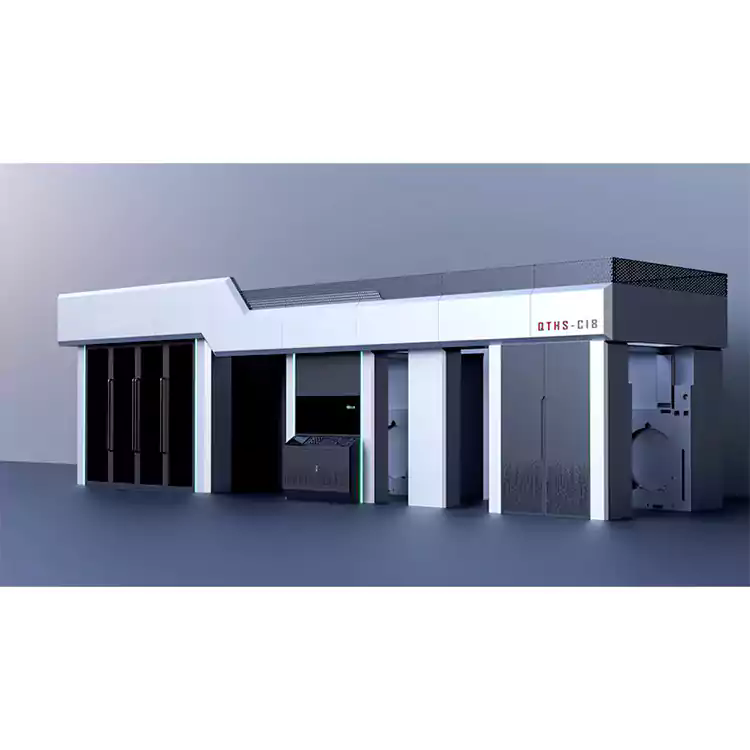
Table of Contents
- What is a CI Type Flexo Printing Machine?
- How Does a CI Type Flexo Printing Machine Work?
- Key Components of CI Type Flexo Printing Machine
- Advantages of Using CI Type Flexo Printing Machine
- Troubleshooting Common Issues
- FAQ
- Conclusion and Contact
What is a CI Type Flexo Printing Machine?
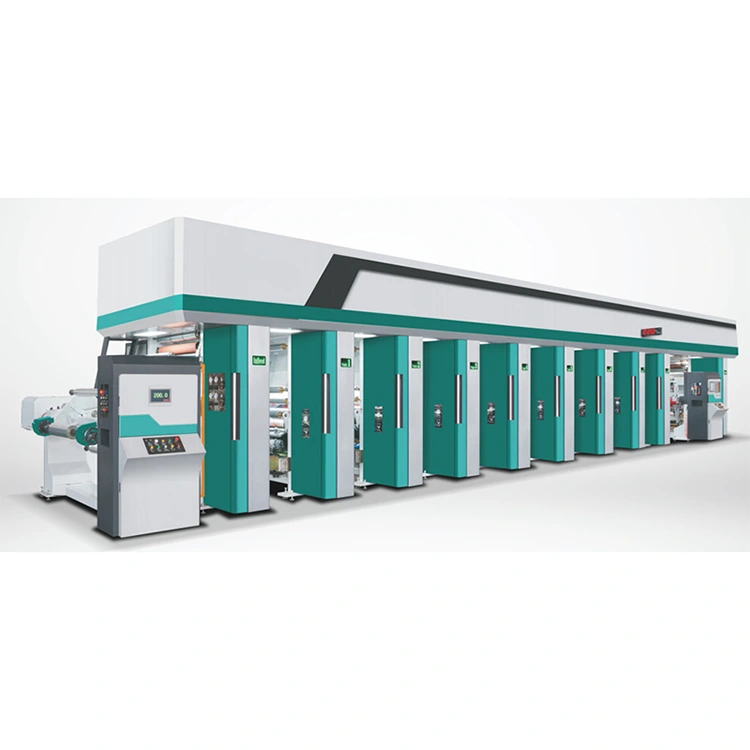
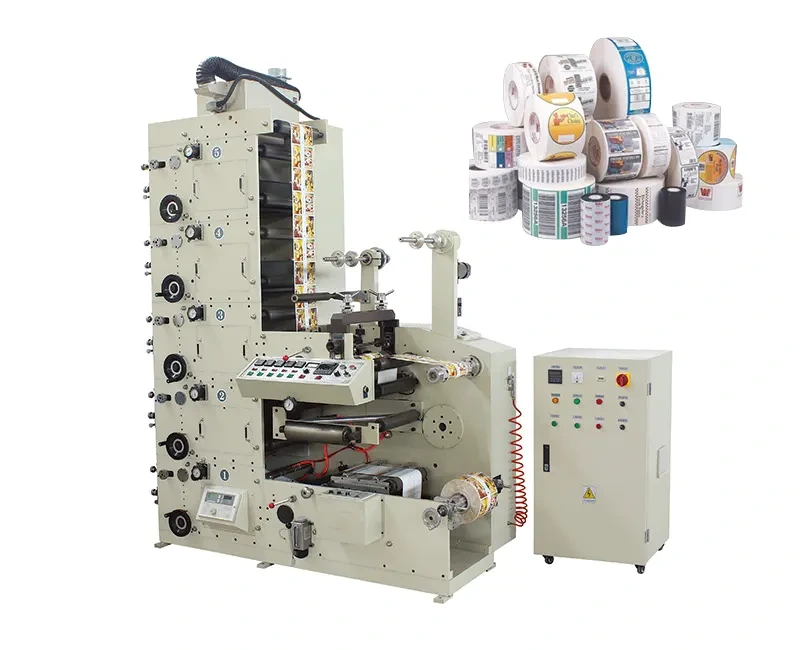
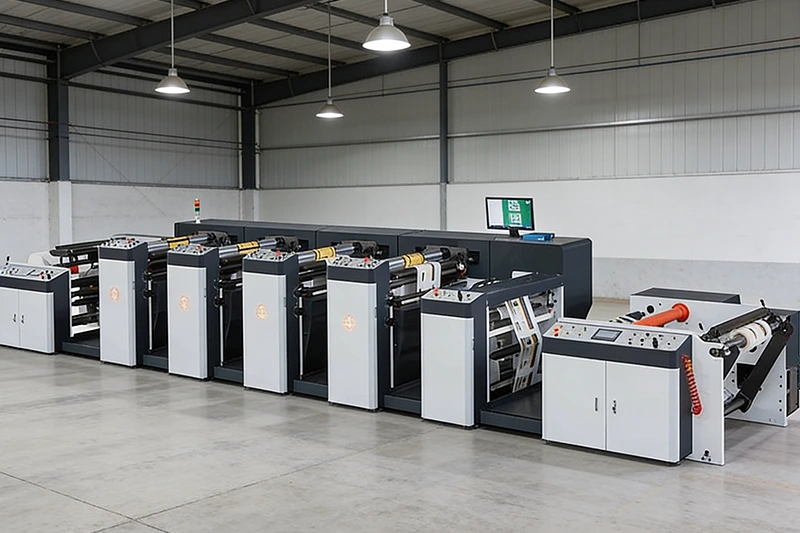
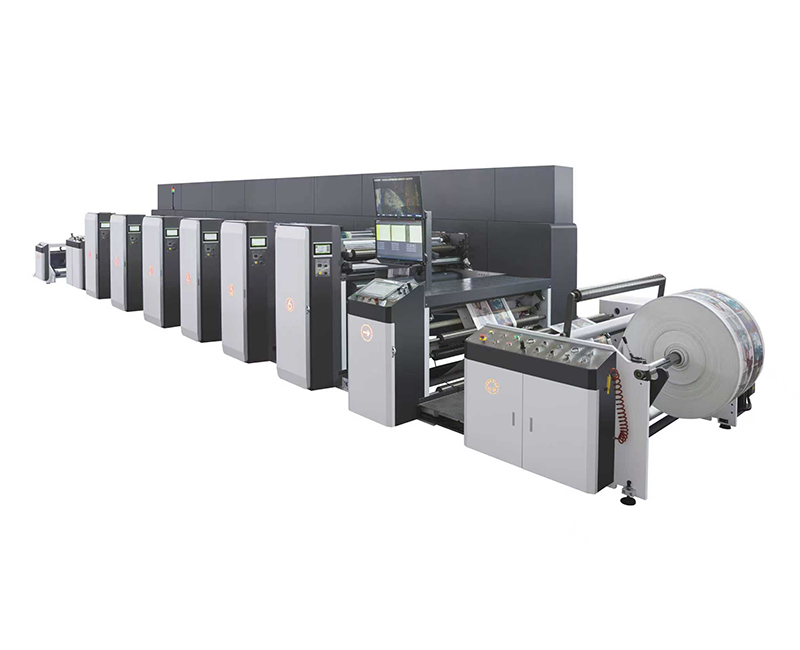
A CI (Central Impression) type flexo printing machine is an advanced industrial printer designed for continuous high-speed printing on flexible substrates such as plastic films, paper, and foil. Unlike traditional flexo machines, a CI press features a central impression cylinder that holds the substrate while multiple flexographic stations print sequentially around it. This design ensures precise registration, consistent print quality, and faster production speeds.
Manufacturers like Green Ohm provide CI type flexo machines engineered for durability, automation, and low maintenance, making them ideal for high-volume packaging industries.
How Does a CI Type Flexo Printing Machine Work?
The CI type flexo printing machine operates through a combination of mechanical precision, advanced ink delivery, and automated substrate handling. Here’s a simplified workflow:
- Substrate Feeding: The material is unwound from a roll and fed onto the central impression cylinder.
- Ink Transfer: Flexographic plates mounted on plate cylinders pick up ink from an anilox roller and transfer it to the substrate.
- Printing Process: Multiple stations allow sequential printing of different colors with high registration accuracy.
- Drying and Curing: After each color is applied, the substrate passes through dryers to set the ink.
- Rewinding: The finished product is collected on a rewind roll for downstream finishing processes.
Overall, the CI design reduces tension variations, ensures consistent print quality, and supports high-speed production up to 300 meters per minute, depending on the configuration.
Key Components of CI Type Flexo Printing Machine
| Component | Function |
|---|---|
| Central Impression Cylinder | Holds the substrate and ensures accurate registration across multiple color stations. |
| Plate Cylinder | Holds flexo plates that transfer ink to the substrate. |
| Anilox Roller | Delivers precise ink volume to the plate cylinder for consistent color density. |
| Doctor Blade | Removes excess ink from the anilox roller. |
| Drying Unit | Dries the ink layer between color stations to prevent smudging. |
| Rewinder | Collects the finished printed material efficiently for downstream processing. |
Advantages of Using CI Type Flexo Printing Machine
- High Registration Accuracy: The central impression cylinder reduces substrate movement and ensures perfect color alignment.
- Faster Production: Ideal for large-volume runs with minimal downtime.
- Reduced Waste: Precise ink control and substrate handling minimize material wastage.
- Versatility: Can print on various substrates including films, foils, paper, and laminates.
- Ease of Automation: Modern CI flexo machines from Green Ohm include automatic tension control, ink circulation, and plate changing systems.
Troubleshooting Common Issues
Despite their advanced design, CI type flexo presses can encounter operational challenges. Here are common issues and remedies:
| Issue | Cause | Solution |
|---|---|---|
| Poor Color Registration | Incorrect cylinder alignment or tension variations | Check and adjust central impression cylinder alignment; maintain consistent substrate tension. |
| Ink Smudging | Insufficient drying or incorrect ink viscosity | Adjust drying temperature and time; verify ink viscosity according to manufacturer guidelines. |
| Excessive Material Waste | Improper substrate feeding or ink over-application | Calibrate feed rollers; fine-tune ink volume on anilox rollers. |
| Machine Downtime | Lack of preventive maintenance | Follow regular maintenance schedule and replace worn components promptly. |
FAQ
Q: What is the main difference between CI type and conventional flexo presses?
A: CI presses use a central impression cylinder to hold the substrate, ensuring better registration and faster multi-color printing, unlike conventional inline flexo presses.
Q: Can CI type flexo machines print on both paper and plastic?
A: Yes. CI flexo presses are highly versatile and can print on paper, films, foils, and laminated substrates with adjustable ink settings.
Q: How fast can a CI type flexo press operate?
A: Depending on the model, speeds can range from 150 to 300 meters per minute, providing high-volume printing efficiency.
Q: Does Green Ohm provide installation and support?
A: Yes, Green Ohm offers installation, operator training, and technical support to ensure smooth operation and minimal downtime.
Conclusion and Contact
The CI type flexo printing machine is an essential investment for businesses seeking precision, speed, and versatility in high-volume printing. With the right selection, proper operation, and timely maintenance, manufacturers can maximize productivity and product quality.
For inquiries, pricing, or detailed specifications, reach out to Green Ohm today and elevate your printing operations. Contact us to learn more.
Related News
- How Does a Unit-Type Flexo Printing Machine Enhance Your Production?
- How Does a Flexo Printing Machine Improve Your Production Efficiency?
- Non-Woven Bag Making Machine Market Key Drivers, Challenges, and Opportunities
- Why is flexography becoming the next big career trend in printing and manufacturing?
- What Makes a Unit-Type Flexo Printing Machine Essential for Modern Packaging?
- What Is a Bag Making Machine?
Leave me a message