
How Does Solvent-base Lamination Improve Flexible Packaging Quality?
Article Summary: Solvent-base lamination is an established converting process used to bond flexible packaging materials into strong, functional multilayer structures. By controlling adhesive application, web tension, drying, temperature, pressure, and rewinding, manufacturers can achieve reliable bonding between films, paper, foil, and other substrates. This article explains how solvent-base lamination works, which production problems it can solve, what factors determine finished-product quality, and how to select a suitable lamination system for demanding packaging applications.
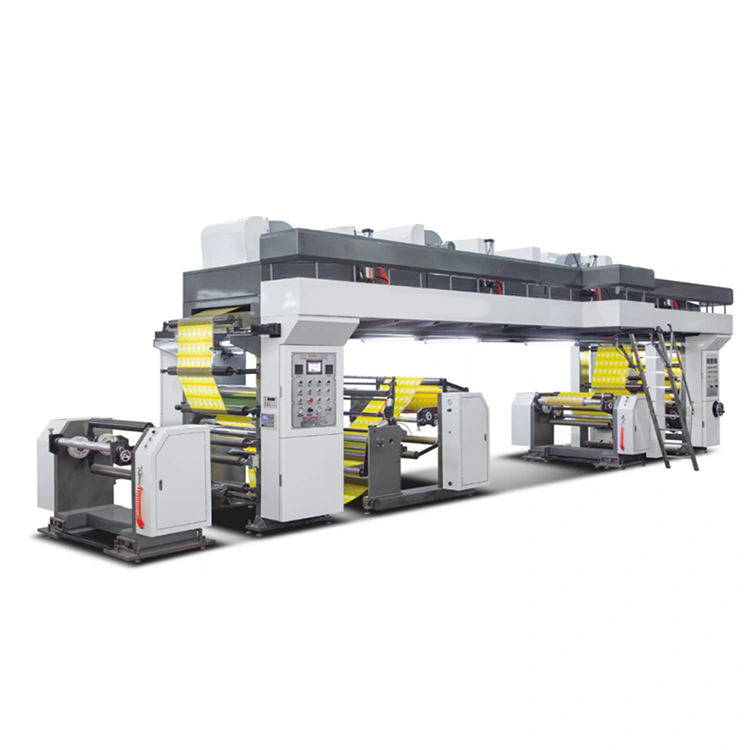
Table of Contents
- Article Outline
- What Is Solvent-base Lamination?
- How Does the Solvent-base Lamination Process Work?
- Which Materials Can Be Laminated?
- What Determines Lamination Quality?
- Which Production Problems Can Solvent-base Lamination Solve?
- Solvent-base Lamination Process Considerations
- How Should You Select a Solvent-base Lamination Machine?
- How Can Operators Maintain Stable Production?
- Why Consider Green Ohm?
- Frequently Asked Questions
- Conclusion
Article Outline
- Understand the purpose and operating principle of solvent-base lamination.
- Identify the main production stages and process-control variables.
- Match substrates and adhesive systems with the intended packaging application.
- Reduce common defects such as bubbles, wrinkles, poor adhesion, and uneven coating.
- Evaluate equipment configuration, production requirements, and maintenance needs.
- Build a more stable and efficient converting workflow with appropriate equipment.
What Is Solvent-base Lamination?
Solvent-base lamination is a flexible packaging converting process in which an adhesive carried in a solvent is applied to one substrate, dried to remove most of the solvent, and then bonded to another substrate under controlled pressure. The resulting multilayer structure combines the properties of different materials into one functional packaging web.
This approach is particularly useful when a package needs a combination of mechanical strength, printability, barrier performance, heat resistance, appearance, or sealing performance. Instead of expecting a single film to provide every required property, manufacturers can laminate multiple layers and assign a specific function to each material.
For example, one layer may provide attractive graphics, another may contribute barrier protection, and another may provide heat-sealing functionality. The adhesive layer creates the bond that allows these materials to work together as a finished structure.
For packaging manufacturers, the major challenge is not simply making two materials stick together. The real objective is achieving consistent adhesion across the entire production width and throughout long production runs while controlling waste, appearance, drying, and downstream converting performance.
How Does the Solvent-base Lamination Process Work?
A stable lamination process depends on several coordinated stages. Each stage affects the next one, so a problem in adhesive metering, drying, tension control, or bonding pressure can eventually appear as a defect in the finished roll.
1. Substrate Preparation
The first step is preparing the materials to be laminated. Substrates can include plastic films, paper, aluminum foil, coated materials, and other flexible webs depending on the packaging structure.
Surface condition is critical. Dust, oil, moisture, inadequate surface treatment, or incompatible surface energy can reduce adhesive bonding. Operators should therefore verify substrate cleanliness, roll condition, surface treatment, and material specifications before production begins.
2. Adhesive Application
The adhesive is applied to one web at a controlled coating weight. The application system must distribute adhesive evenly across the required width without excessive variation.
An inconsistent coating can create several problems:
- Weak bonding in areas with insufficient adhesive.
- Excessive residual solvent where adhesive application is too heavy.
- Uneven appearance or surface defects.
- Higher adhesive consumption and production costs.
Accurate metering is therefore one of the foundations of stable solvent-base lamination.
3. Drying and Solvent Removal
After adhesive application, the coated web passes through a drying section. Controlled heat and airflow help evaporate the solvent before the adhesive-coated substrate reaches the bonding point.
Drying must be balanced carefully. Insufficient drying can leave excessive residual solvent, while overly aggressive drying may affect the adhesive system or substrate. The appropriate settings depend on adhesive formulation, coating weight, web speed, substrate characteristics, and environmental conditions.
4. Lamination and Pressure Control
The dried adhesive-coated web is brought together with the second substrate. A laminating nip applies controlled pressure to establish intimate contact between the two layers.
Uniform nip pressure helps prevent localized bonding failures, air entrapment, wrinkles, and inconsistent contact. Web alignment and tension must also remain stable so that the two materials enter the nip correctly.
5. Rewinding and Curing
After lamination, the composite web is wound into a roll and may require additional curing time before it reaches its final performance. During curing, the adhesive develops its intended bonding properties.
The curing conditions depend on the adhesive technology and packaging structure. Operators should follow the adhesive manufacturer's recommended process window rather than assuming that a single curing time is suitable for every application.
Which Materials Can Be Laminated?
One of the strengths of solvent-base lamination is its ability to combine different flexible substrates. The exact combination depends on adhesive compatibility, surface properties, end-use requirements, and machine configuration.
| Substrate Type | Typical Function | Key Consideration |
|---|---|---|
| Plastic films | Strength, printability, sealing, barrier | Surface treatment and adhesive compatibility |
| Aluminum foil | High barrier protection | Surface cleanliness and bond strength |
| Paper | Printability, stiffness, appearance | Moisture and web tension |
| Coated films | Special barrier or functional performance | Coating integrity and adhesive selection |
The correct material combination should always be determined according to the final packaging requirements. A structure designed for dry food packaging, for example, may have very different requirements from one intended for products exposed to oils, moisture, heat, or aggressive contents.
What Determines Lamination Quality?
Finished lamination quality is the result of several interacting variables rather than one machine setting. Understanding these variables makes troubleshooting much faster.
Adhesive Coating Weight
Coating weight must remain within the appropriate range for the adhesive and application. Too little adhesive can result in inadequate bond strength, while excessive application may increase drying requirements, solvent load, material consumption, and production cost.
Drying Efficiency
Drying temperature, airflow, residence time, and web speed need to work together. Increasing temperature alone does not necessarily solve a drying problem. Air movement and the available drying path are also important.
Web Tension
Unstable tension can produce wrinkles, telescoping, stretching, registration problems, and uneven winding. Tension should be controlled throughout unwinding, coating, laminating, and rewinding rather than adjusted only at the beginning of a run.
Nip Pressure
Correct nip pressure promotes intimate contact between layers. Excessive pressure can damage sensitive substrates, while insufficient pressure may allow air pockets or incomplete bonding.
Substrate Surface Condition
Even a well-designed machine cannot compensate for a contaminated or unsuitable substrate. Surface energy, treatment level, cleanliness, moisture, and storage conditions all deserve attention before production.
Which Production Problems Can Solvent-base Lamination Solve?
Packaging converters commonly face pressure to increase output without sacrificing appearance or bond performance. A properly configured solvent-base lamination process can address several recurring production challenges.
Problem 1: Inconsistent Bond Strength
Inconsistent bonding may originate from uneven adhesive distribution, incorrect coating weight, inadequate drying, poor surface treatment, or unstable nip conditions. Instead of simply increasing adhesive usage, operators should identify the actual cause and correct the relevant process variable.
Problem 2: Bubbles and Air Entrapment
Bubbles can appear when the substrates fail to make uniform contact during lamination. Causes may include excessive web speed, poor tension control, contamination, inadequate nip conditions, or substrate deformation.
Maintaining stable web alignment and pressure is often more effective than attempting to correct bubbles after the roll has already been produced.
Problem 3: Wrinkles
Wrinkles are particularly damaging because they can affect both appearance and downstream converting. Unequal tension between webs, poor roll alignment, substrate thickness variation, and incorrect nip settings can contribute to wrinkle formation.
Problem 4: Excessive Material Waste
Waste often begins during setup. Long adjustment periods, unstable startup conditions, incorrect coating settings, and repeated trial runs can consume significant amounts of film and adhesive.
A production system designed for predictable setup and stable running can help reduce these losses.
Problem 5: Difficulty Handling Different Packaging Structures
Modern converters may need to process multiple substrate combinations rather than a single standardized product. Equipment with suitable adjustment capability can make it easier to adapt production parameters to different materials, widths, and bonding requirements.
Solvent-base Lamination Process Considerations
When deciding whether solvent-base lamination is suitable for a production application, manufacturers should consider more than nominal machine speed. The complete operating environment matters.
| Factor | Why It Matters | What to Evaluate |
|---|---|---|
| Production volume | Determines required throughput and operating stability | Expected daily and annual output |
| Material range | Affects machine flexibility | Widths, thicknesses, and substrate combinations |
| Adhesive system | Determines coating and drying requirements | Viscosity, solids content, coating weight, curing requirements |
| Finished-product requirements | Defines acceptable bonding and appearance | Bond strength, barrier, appearance, sealing performance |
| Factory conditions | Can affect drying and process stability | Temperature, humidity, ventilation, and available utilities |
How Should You Select a Solvent-base Lamination Machine?
Selecting equipment based only on advertised production speed can lead to problems later. A more practical approach is to evaluate the entire production requirement.
- Define the substrate range: Determine the materials, widths, thicknesses, and structures that the machine must process.
- Clarify output requirements: Consider realistic production speed rather than maximum theoretical speed alone.
- Evaluate coating control: Stable adhesive metering is essential for consistent bonding and material consumption.
- Check drying requirements: Make sure the drying configuration is appropriate for the adhesive system and intended production speed.
- Review tension control: Stable unwinding, laminating, and rewinding are essential for high-quality rolls.
- Consider changeover needs: If multiple products are manufactured, setup flexibility can have a major impact on productivity.
- Consider technical support: Equipment performance depends not only on installation but also on commissioning, maintenance, troubleshooting, and operator support.
A machine should ultimately be selected around the customer's actual production process rather than around a single specification on a brochure.
How Can Operators Maintain Stable Production?
Preventive maintenance is essential for reducing unplanned downtime and maintaining repeatable lamination quality. Small deviations can become significant problems when equipment operates continuously.
Daily Checks
- Inspect rollers and contact surfaces for contamination.
- Check web alignment and tension behavior.
- Monitor adhesive circulation and coating consistency.
- Verify drying-section operating conditions.
- Inspect finished rolls for bubbles, wrinkles, streaks, or other abnormalities.
Periodic Maintenance
- Inspect bearings, rollers, drive components, and transmission parts.
- Clean adhesive-contact components according to the recommended procedure.
- Check sensors and control components.
- Inspect pneumatic and electrical systems.
- Verify the accuracy of relevant temperature, tension, and process-control systems.
Maintenance records are also useful. Recording defects, machine settings, material batches, adhesive conditions, and corrective actions can help operators identify recurring patterns rather than repeatedly treating the same symptom.
Why Consider Green Ohm?
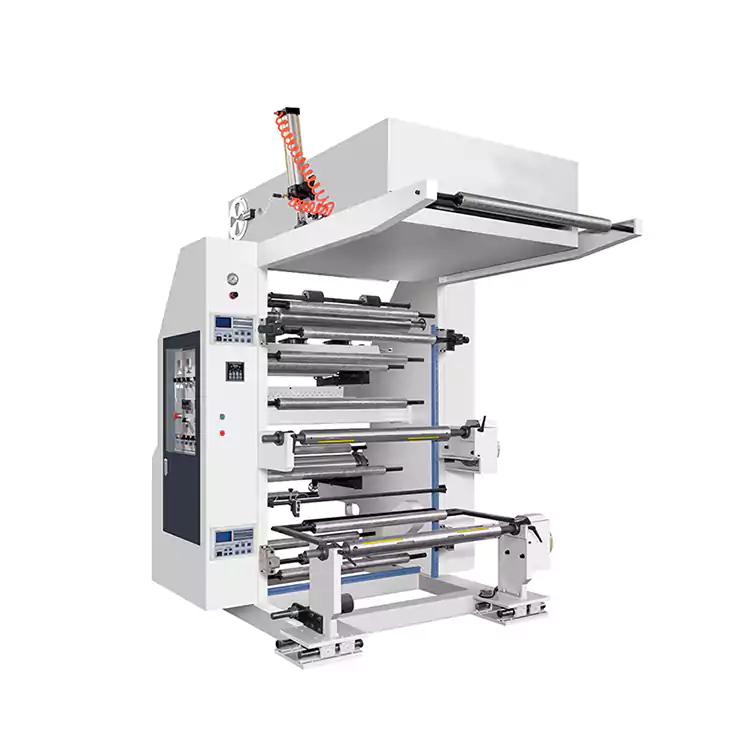
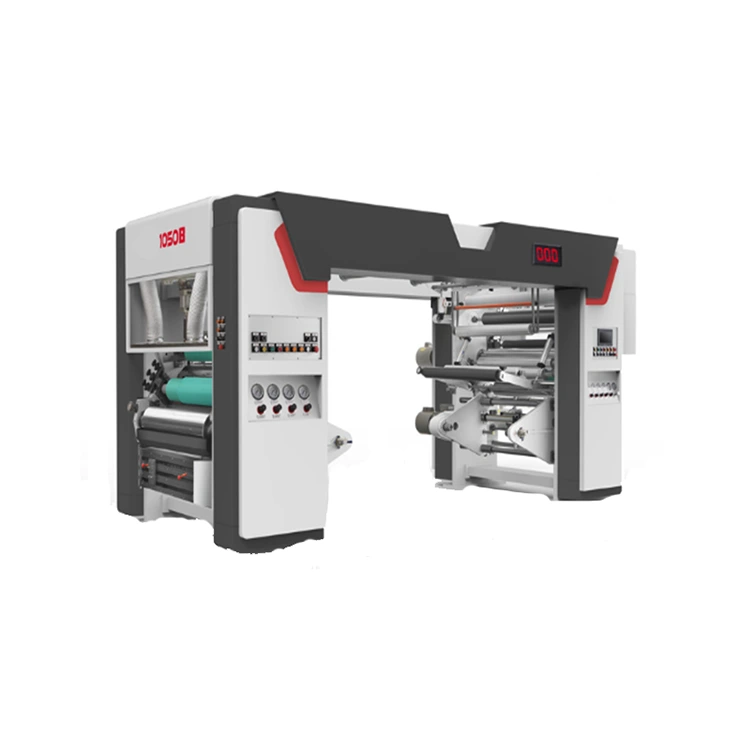
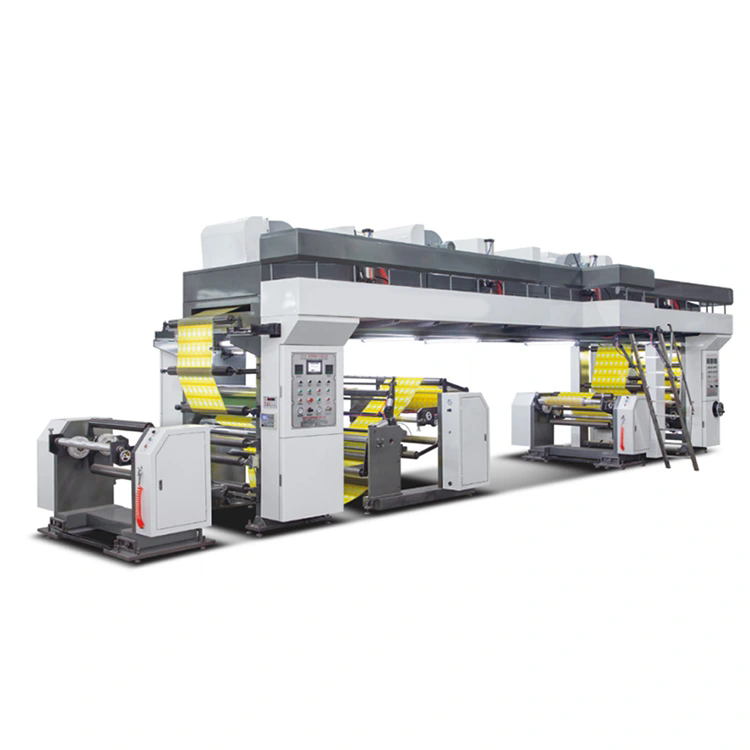
Green Ohm provides solvent-base lamination equipment for flexible packaging production, with an emphasis on stable operation and practical production requirements. The company's product information describes equipment intended to bond materials such as films and paper into firm, flat laminated structures, while supporting long working periods and flexible production requirements.
For converters, equipment flexibility can be particularly valuable when production involves different material widths or bonding requirements. Green Ohm also indicates that customized, non-standard equipment configurations can be considered according to specific production needs.
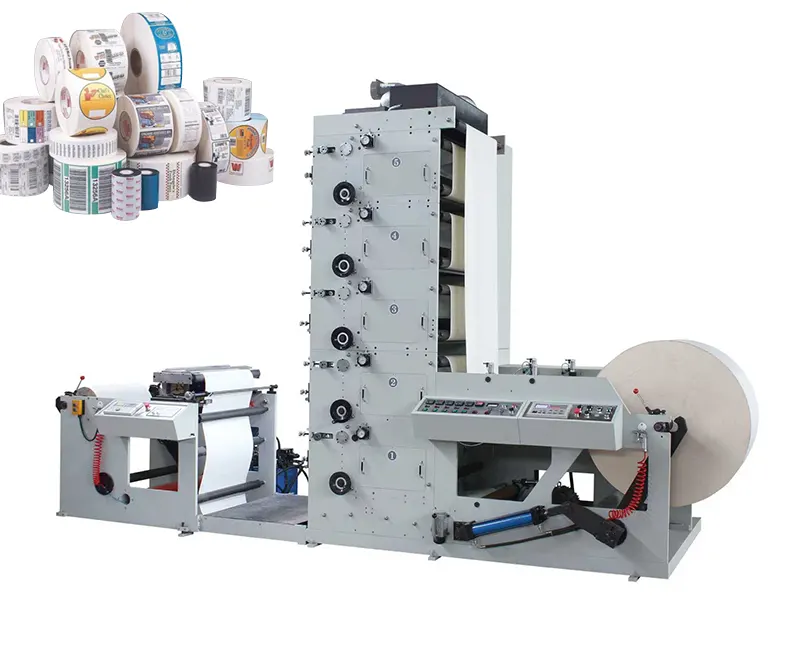
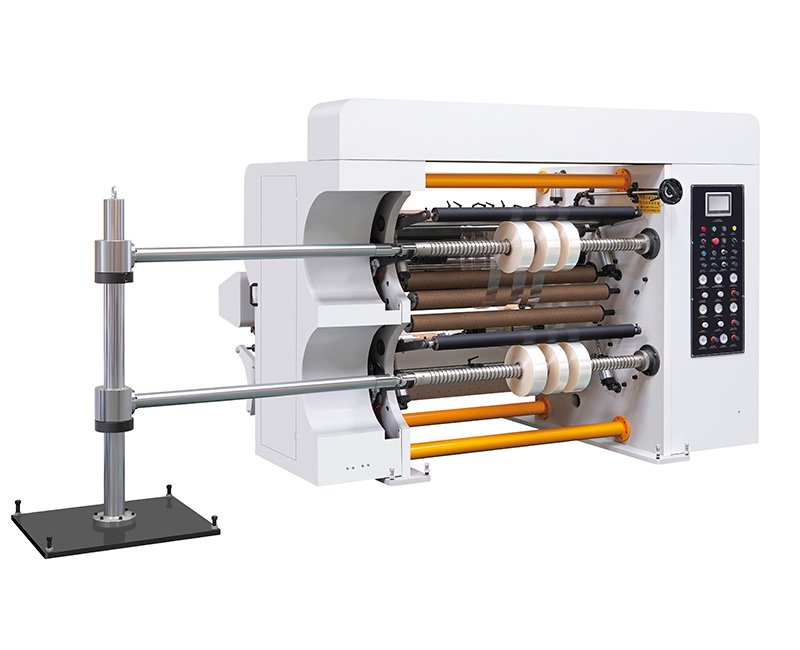
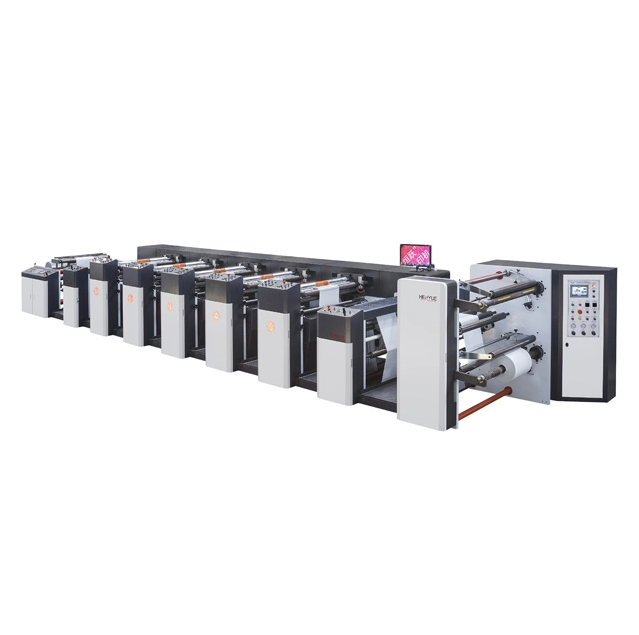
Another important consideration is how the laminator fits into the broader converting workflow. Lamination is rarely an isolated operation. A production line may also include printing, slitting, cutting, and bag making. Green Ohm's equipment portfolio includes flexographic printing, slitting and cutting, and bag-making equipment, allowing manufacturers to evaluate a more integrated packaging production setup.
Green Ohm also provides services covering equipment development, design, manufacturing, sales, and after-sales technical support. For a packaging converter investing in industrial equipment, this broader support can be useful when commissioning a new machine, adjusting production conditions, or dealing with maintenance requirements.
Frequently Asked Questions
1. What is solvent-base lamination used for?
Solvent-base lamination is primarily used to bond flexible substrates into multilayer structures. It can be applied to packaging structures that require combinations of mechanical strength, appearance, barrier properties, heat resistance, or sealing functionality.
2. Why is drying important in solvent-base lamination?
Drying removes solvent from the adhesive-coated web before the bonding stage. Inadequate drying can affect finished-product quality and may result in excessive residual solvent, while inappropriate drying conditions can also negatively affect process stability.
3. What causes poor adhesion in laminated packaging?
Poor adhesion can result from unsuitable adhesive selection, insufficient coating weight, inadequate substrate surface treatment, contamination, incorrect drying, unstable nip pressure, or inappropriate curing conditions. Troubleshooting should examine the complete process rather than one variable alone.
4. Can different types of packaging materials be laminated?
Yes. Depending on the adhesive system and equipment configuration, flexible films, paper, foil, and other coated or treated substrates can be combined. Material compatibility should be confirmed before production.
5. How can bubbles in laminated film be reduced?
Operators should check substrate cleanliness, web tension, alignment, laminating pressure, coating uniformity, and machine speed. Air entrapment is often a process-control issue rather than simply an adhesive quantity problem.
6. Is solvent-base lamination suitable for continuous production?
It can be suitable for continuous industrial production when the equipment, adhesive system, drying capacity, and substrates are correctly matched. Stable process control is especially important during long production runs.
7. What should I provide when requesting a solvent-base lamination machine?
Useful information includes substrate types, material thicknesses, maximum and minimum web widths, expected production volume, adhesive specifications, desired production speed, finished-product requirements, and any existing upstream or downstream equipment.
8. Can Green Ohm provide customized solvent-base lamination equipment?
Green Ohm states that it accepts non-standard orders and can adjust equipment according to specific production requirements, including different material widths and bonding requirements. Final configuration should be confirmed according to the customer's actual application.
Conclusion
Solvent-base lamination remains an important solution for manufacturers that need reliable multilayer flexible packaging structures. Its performance depends on the interaction of substrate preparation, adhesive coating, drying, tension control, nip pressure, rewinding, and curing. When these factors are properly coordinated, manufacturers can achieve stronger bonds, cleaner finished rolls, more predictable production, and fewer quality-related interruptions.
The most effective approach is to select equipment based on the complete production requirement rather than focusing on one specification. Substrate range, adhesive system, production volume, drying requirements, web handling, maintenance, and technical support should all be considered before investment.
For packaging manufacturers evaluating a new lamination line or looking to improve an existing converting process, Green Ohm can provide equipment solutions designed around specific production requirements. If you are planning a new project, need a customized configuration, or want to discuss your material and production conditions, contact us to discuss a suitable solvent-base lamination solution.
Related News
- How Can an Electronic Shaft Rotogravure Printing Machine Improve Printing Accuracy and Flexible Packaging Efficiency
- How Can a Microcomputer Controlled Flat Lift Screen Printing Machine Improve Printing Accuracy and Production Efficiency
- How Can an Eco-Friendly Solvent Less Lamination Machine Transform Flexible Packaging Production
- How Can a Microcomputer Controlled Flat Lift Screen Printing Machine Improve Modern Industrial Printing Efficiency
- How Can a Microcomputer Controlled Swing Arm Screen Printing Machine Improve Modern Printing Efficiency
- How Can a Microcomputer Controlled Flat Lift Screen Printing Machine Transform Modern Industrial Printing Efficiency
Leave me a message