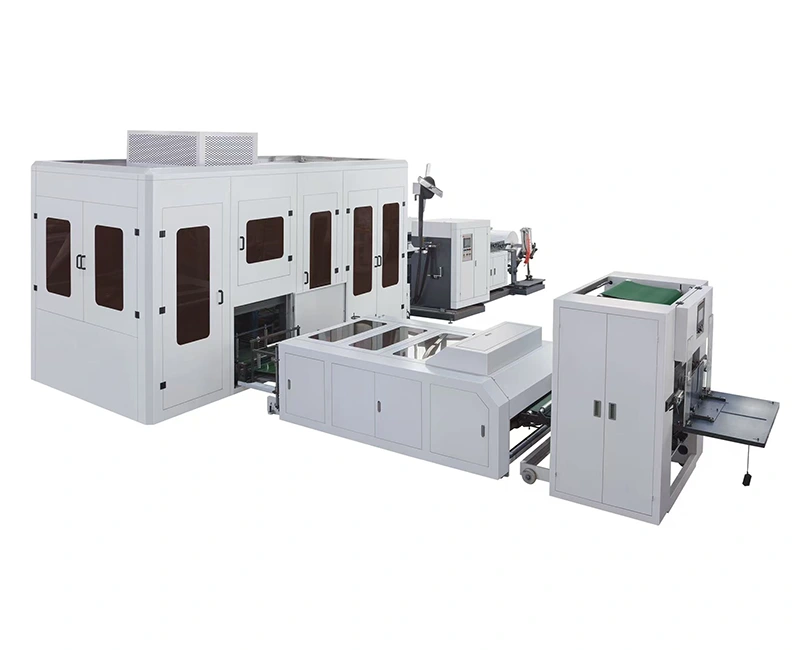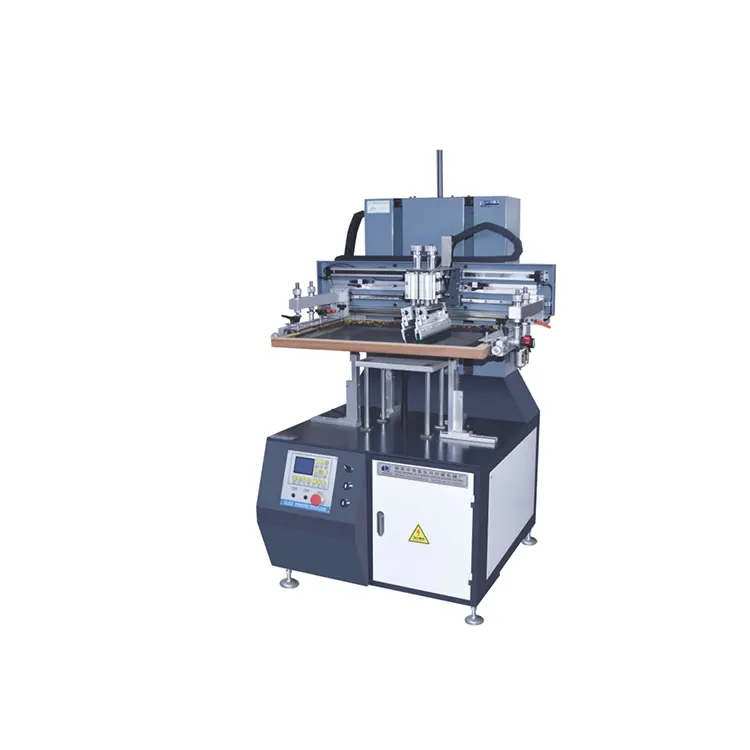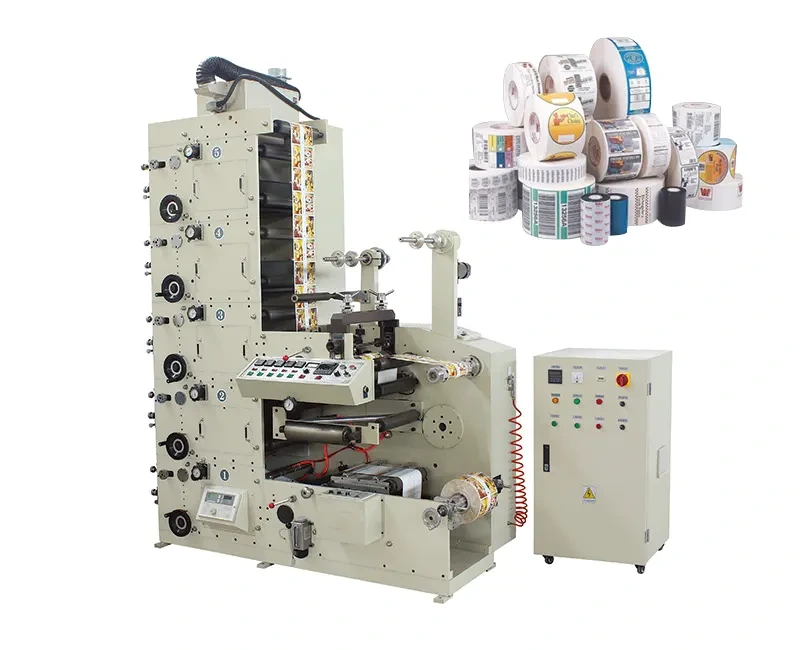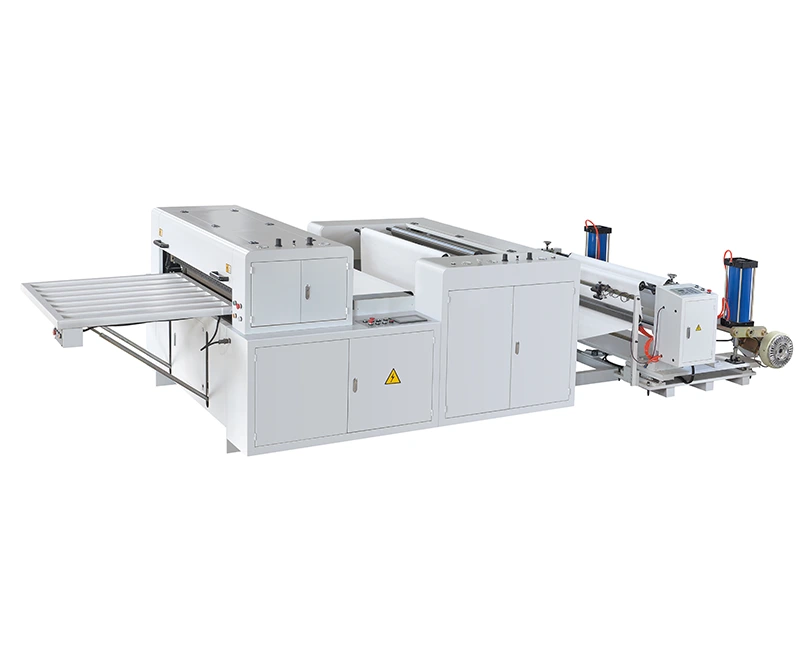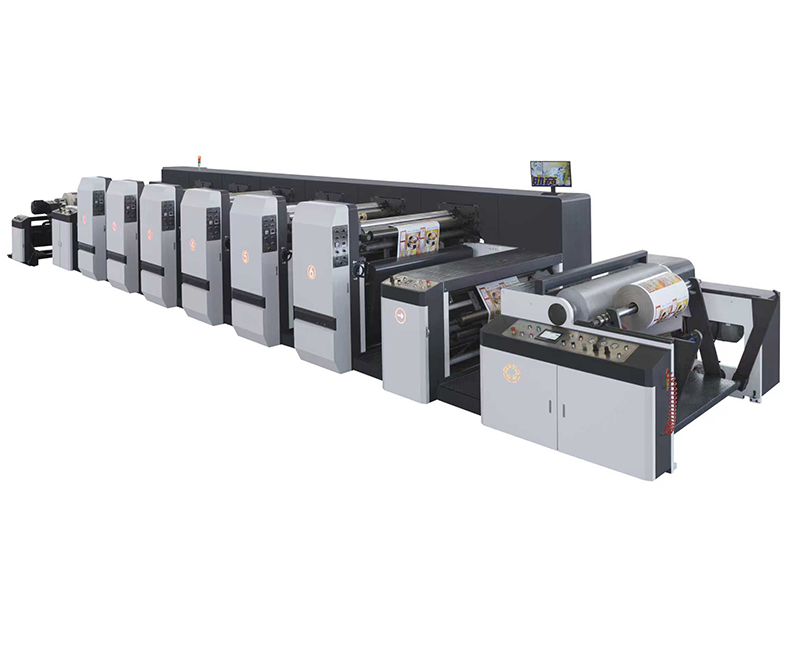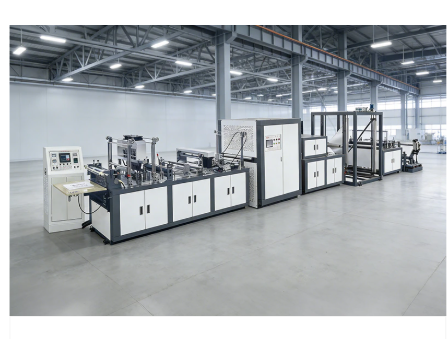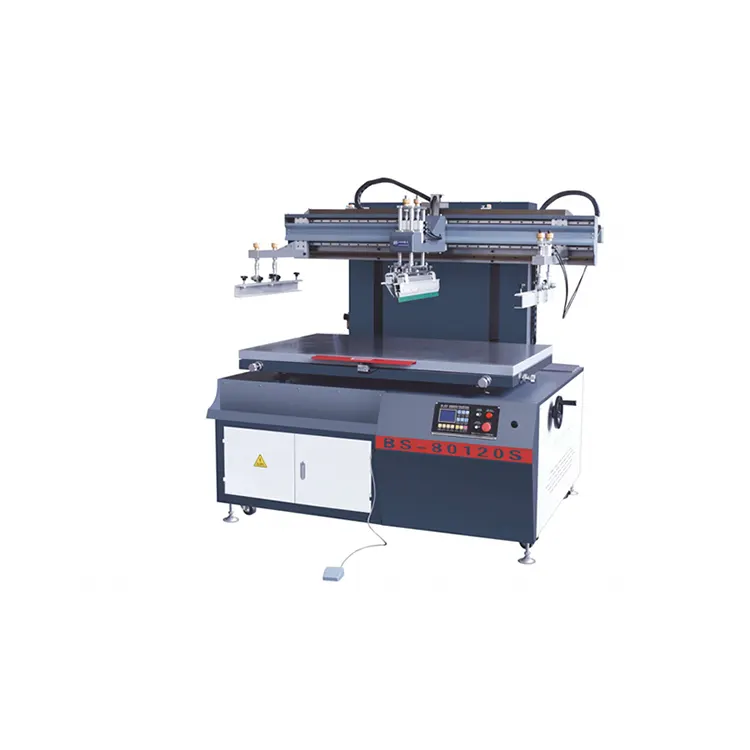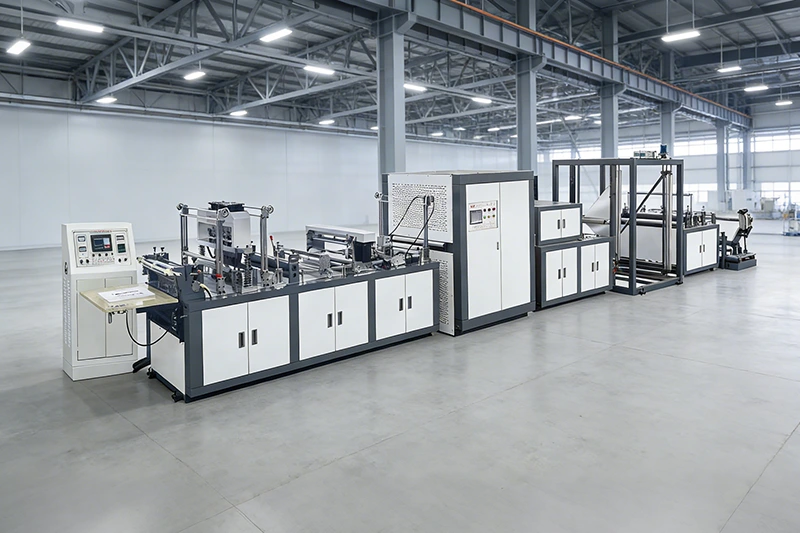

Green Ohm develops the Eco-Friendly Solvent Less Lamination Machine for flexible packaging manufacturers that need stable bonding, precise coating and efficient production without conventional solvent-based lamination. Designed for plastic films, aluminum foil, nylon films and other flexible substrates, the machine combines servo-driven coating control, multi-roller lamination technology and energy-efficient operation for modern packaging conversion.
An Eco-Friendly Solvent Less Lamination Machine is designed to laminate flexible packaging materials without using traditional solvents during the coating process. This approach can help manufacturers reduce solvent-related emissions and simplify production conditions while maintaining consistent bonding performance. Green Ohm's solution features independent servo motors, adjustable coating weight, a five-roller transfer coating system, a three-roller lamination unit and a mirror cooling device. With laminating speeds of up to 500 m/min and working widths available from 1050 mm to 1350 mm, the equipment is suitable for paper-to-film, film-to-film, aluminum foil and metallized film applications. For manufacturers seeking a practical combination of productivity, precision and environmental considerations, solventless lamination offers a flexible route for upgrading packaging production.
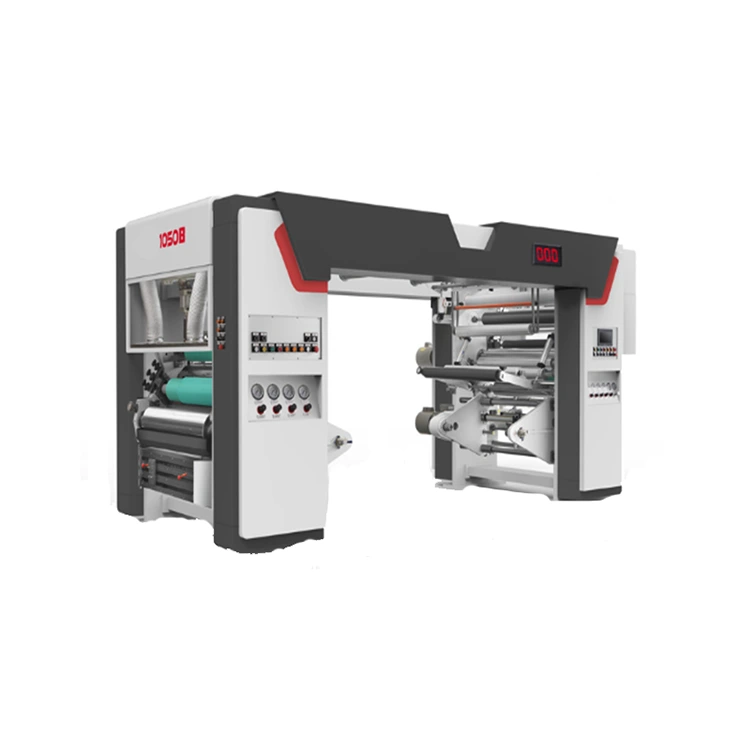
Table of Contents
- What Is an Eco-Friendly Solvent Less Lamination Machine?
- How Does Solventless Lamination Work?
- What Are the Key Features?
- Technical Specifications at a Glance
- Which Materials and Applications Are Suitable?
- What Are the Main Production Benefits?
- How Should Manufacturers Select a Suitable Machine?
- Frequently Asked Questions
- Why Consider Green Ohm?
What Is an Eco-Friendly Solvent Less Lamination Machine?
An Eco-Friendly Solvent Less Lamination Machine is industrial equipment used to bond two or more flexible substrates with adhesive without relying on conventional solvent-based adhesive systems. Instead of applying an adhesive carrier containing solvent and subsequently removing the solvent through drying, solventless systems use controlled adhesive application and lamination to create a composite material.
This production method is particularly relevant to flexible packaging because manufacturers often need to combine different material properties. A printed film may require another film for improved strength, barrier performance or sealing characteristics, while aluminum foil can provide an additional barrier layer for selected packaging structures.
Green Ohm's machine is designed for paper/film, film/film, aluminum foil, film/metallized film and related flexible packaging combinations. The equipment is positioned for packaging manufacturers and converting companies looking for stable lamination, precise adhesive distribution and efficient continuous production.
How Does Solventless Lamination Work?
The basic process involves accurately applying adhesive to one substrate before bringing it into contact with another substrate under controlled pressure and tension. Consistent adhesive distribution is essential because excessive adhesive can increase material consumption, while insufficient or uneven application can affect bond quality.
Green Ohm uses independent servo motors to control the coating process. The adhesive coating weight can be adjusted according to production requirements, while the five-roller transfer coating system helps distribute adhesive uniformly. A three-roller lamination unit then supports controlled substrate combination, followed by a mirror cooling device designed to support stable processing and tidy winding.
- Load and align the required substrate materials.
- Set the appropriate coating parameters for the selected material structure.
- Apply adhesive through the controlled transfer coating system.
- Bring the substrates together through the lamination unit.
- Use cooling and controlled winding to maintain the finished web condition.
- Inspect the laminated material before subsequent converting processes.
What Are the Key Features?
Precise Servo-Driven Coating
Independent servo motors provide responsive control over the coating system. The machine supports adjustable adhesive application, helping operators maintain repeatable coating conditions and reduce unnecessary adhesive consumption.
Five-Roller Transfer Coating System
The professional five-roller transfer coating structure is designed to promote uniform adhesive distribution. Stable coating is especially important when processing thin films or demanding multilayer packaging structures.
Three-Roller Lamination Unit
The three-roller lamination unit provides controlled contact between substrates. Proper pressure and web handling can help minimize defects and contribute to consistent finished laminate quality.
High-Speed Continuous Operation
The machine can reach a maximum laminating speed of 500 m/min, depending on material structure and operating conditions. This gives packaging converters the capacity to support high-volume production requirements.
Cooling and Winding Control
A mirror cooling device helps manage the laminated web after bonding, while the winding system is designed to produce neat, stable rolls suitable for downstream processing.
User-Oriented Safety and Control
The streamlined control panel simplifies machine operation, while pneumatic protective guarding adds an additional layer of operational safety. Key electrical components are designed to meet CE-related requirements stated by the manufacturer.
Technical Specifications at a Glance
| Specification | WF-1050B | WF-1250B | WF-1350B |
|---|---|---|---|
| Maximum Laminating Speed | 500 m/min | 500 m/min | 500 m/min |
| Maximum Laminating Width | 1050 mm | 1250 mm | 1350 mm |
| 1st Unwinding Diameter | Max. Φ800 mm | Max. Φ800 mm | Max. Φ800 mm |
| 2nd Unwinding Diameter | Max. Φ800 mm | Max. Φ800 mm | Max. Φ800 mm |
| Rewinding Diameter | Max. Φ1000 mm | Max. Φ1000 mm | Max. Φ1000 mm |
| Glue Spread | 1.0–3.0 g/m² | 1.0–3.0 g/m² | 1.0–3.0 g/m² |
| Compatible Film Types | PET, BOPP, OPP, NY, PVC, CPP and more | PET, BOPP, OPP, NY, PVC, CPP and more | PET, BOPP, OPP, NY, PVC, CPP and more |
The available models allow manufacturers to select a working width that matches their production requirements. The common maximum speed and roll diameter specifications also make the series suitable for continuous flexible packaging conversion operations.
Which Materials and Applications Are Suitable?
Solventless lamination is commonly considered when manufacturers need to combine flexible substrates into a stronger or more functional composite structure. The Green Ohm system is compatible with a range of film materials and packaging combinations.
- Film-to-film lamination: suitable for multilayer flexible packaging structures.
- Paper-to-film lamination: useful where paper appearance or printability is combined with film characteristics.
- Aluminum foil lamination: applicable to packaging structures incorporating aluminum foil.
- Film-to-metallized film: suitable for composite structures requiring metallized substrates.
- Flexible packaging conversion: designed for packaging manufacturers and converting companies.
Common compatible materials listed for the machine include PET, BOPP, OPP, nylon, PVC and CPP. The final laminate structure should always be evaluated according to adhesive chemistry, substrate characteristics, product requirements and downstream processing conditions.
What Are the Main Production Benefits?
1. Reduced Dependence on Conventional Solvents
Because the lamination process does not rely on conventional solvent-based adhesive application, manufacturers can reduce the role of solvent handling within the production process. This can support cleaner working conditions and environmental management objectives.
2. Controlled Adhesive Consumption
Precise coating adjustment allows operators to select an appropriate adhesive application level. Better control can help reduce unnecessary adhesive usage while maintaining the required bonding performance.
3. High Production Efficiency
With a maximum laminating speed of 500 m/min, the machine is built for high-throughput production. Actual operating speed should be selected according to substrate, adhesive, laminate construction and quality requirements.
4. Broad Material Compatibility
The ability to process different film and foil combinations gives packaging converters greater flexibility when developing or manufacturing multilayer packaging structures.
5. Easier Integration into a Packaging Workflow
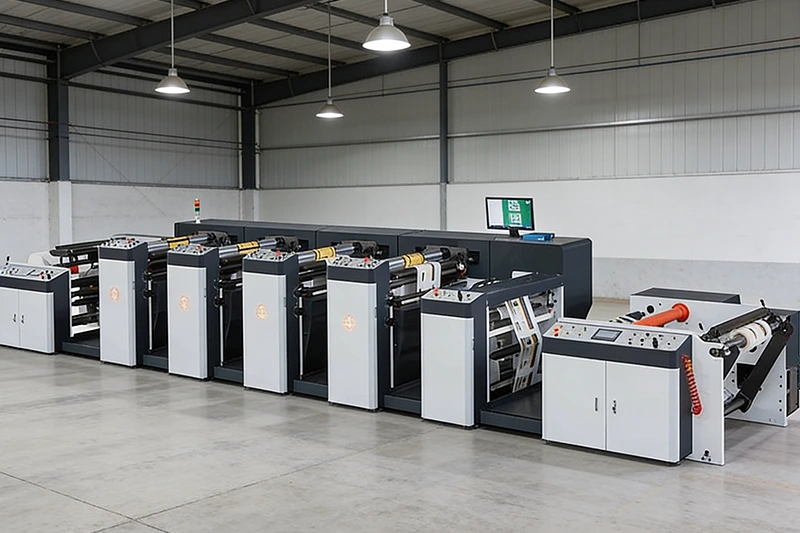
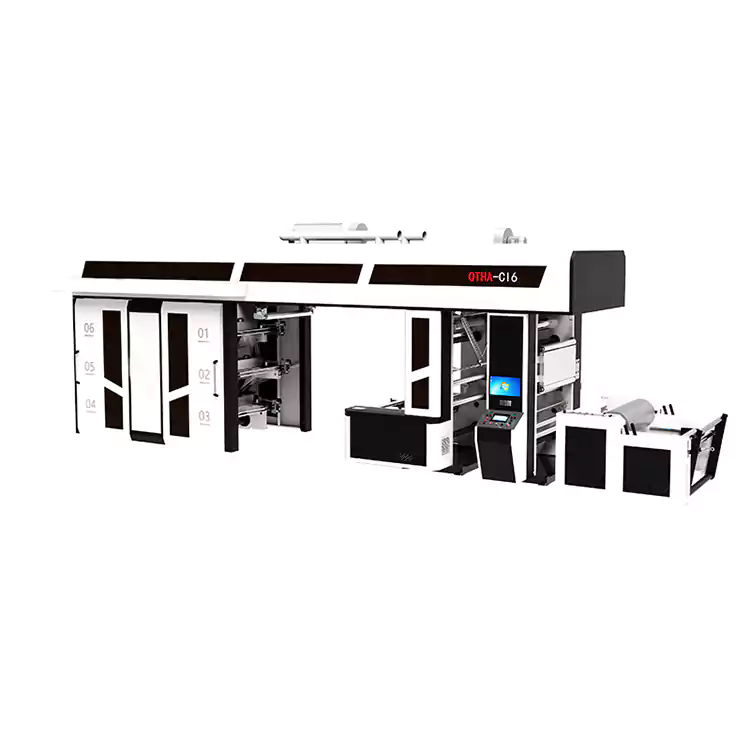
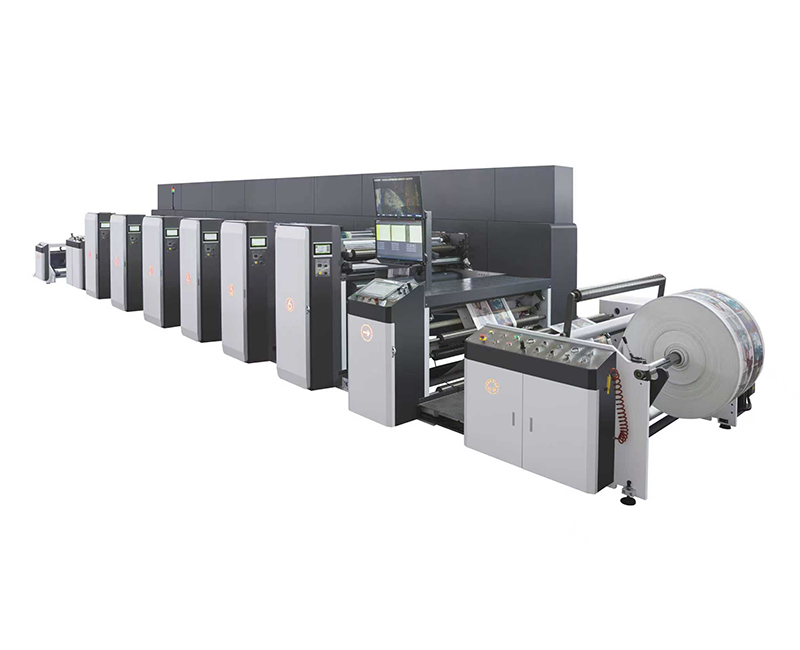
A lamination machine can form part of a wider flexible packaging production line. Green Ohm also supplies related equipment such as flexographic printing machines and slitting and cutting machines, allowing manufacturers to consider an integrated converting workflow.
How Should Manufacturers Select a Suitable Machine?
Choosing the right lamination equipment should begin with the packaging structure rather than simply focusing on maximum machine speed. Buyers should evaluate the complete production requirement before placing an equipment order.
- Determine the substrate structure: identify whether the project involves film/film, paper/film, foil/film or metallized film.
- Confirm the required working width: select equipment according to the maximum web width required for regular production.
- Evaluate coating requirements: determine the appropriate adhesive type and coating range for the intended laminate.
- Consider production volume: compare required output with the machine's maximum operating capability.
- Check roll dimensions: confirm that unwinding and rewinding diameters match the planned substrate rolls.
- Review automation and safety features: consider servo control, operator interface, protective guarding and electrical component standards.
- Assess technical support: equipment selection should include installation guidance, operator training, maintenance support and after-sales service.
For specialized flexible packaging applications, customization can also be important. Green Ohm states that it provides R&D, design, production, sales and after-sales support, and can handle non-standard customized orders according to production requirements.
Frequently Asked Questions
What is the difference between solventless and solvent-based lamination?
Solvent-based lamination uses a solvent-containing adhesive system and typically requires solvent evaporation and drying. Solventless lamination applies adhesive without the conventional solvent carrier, reducing the need for solvent drying within the lamination process.
What materials can the Green Ohm machine laminate?
The machine is designed for flexible substrates including PET, BOPP, OPP, nylon, PVC and CPP. It can also be used for paper/film, aluminum foil, film/film and film/metallized film structures, subject to the specific production configuration.
What is the maximum laminating speed?
The WF-1050B, WF-1250B and WF-1350B models are listed with a maximum laminating speed of 500 m/min. Actual production speed depends on substrate properties, adhesive characteristics, laminate structure and required quality.
How much adhesive can the machine apply?
The listed technical specification gives a glue spread range of approximately 1.0–3.0 g/m², while the product description also highlights precise adjustable coating control. The appropriate setting should be determined according to the adhesive and laminate structure.
Is the machine suitable for flexible packaging manufacturers?
Yes. The machine is specifically positioned for flexible packaging manufacturing and conversion companies. Its compatible substrate range and continuous lamination configuration make it suitable for various multilayer packaging applications.
Why Consider Green Ohm?
For packaging manufacturers evaluating a modern solventless lamination solution, equipment performance should be considered alongside coating precision, material compatibility, operating efficiency, safety and technical support. Green Ohm Intelligent Equipment Co., Ltd. was established in 2017 in Ruian, Wenzhou, and focuses on flexible and eco-friendly packaging equipment. Its product portfolio covers bag making, printing, lamination, slitting and cutting equipment, supporting a broader packaging production workflow.
The Eco-Friendly Solvent Less Lamination Machine combines servo-controlled adhesive application, a five-roller transfer coating system, a three-roller lamination unit, cooling technology and high-speed operation in one production platform. If you are planning to upgrade a flexible packaging line, develop a new laminate structure or compare solventless lamination solutions, explore the Eco-Friendly Solvent Less Lamination Machine and contact us with your substrate, width, production capacity and lamination requirements for a suitable equipment solution.