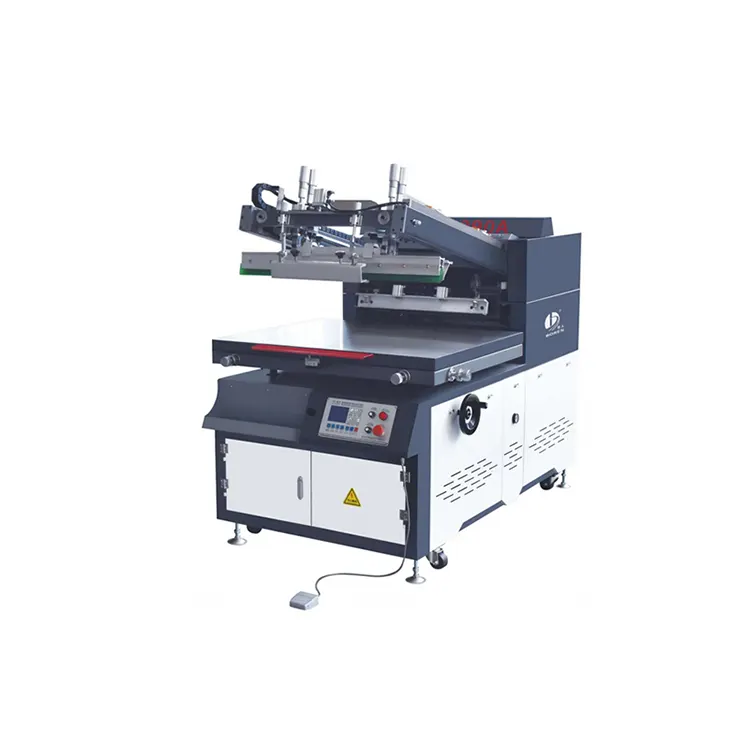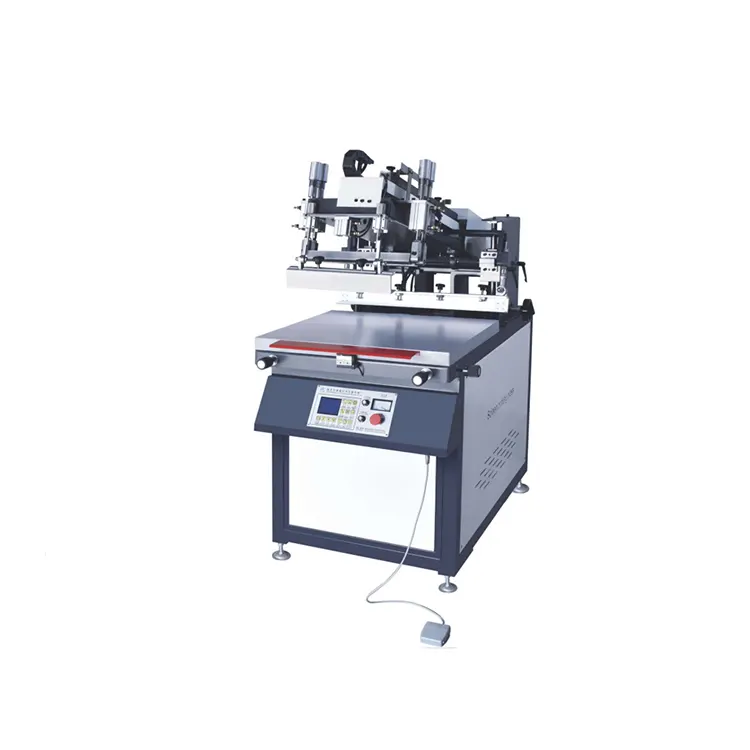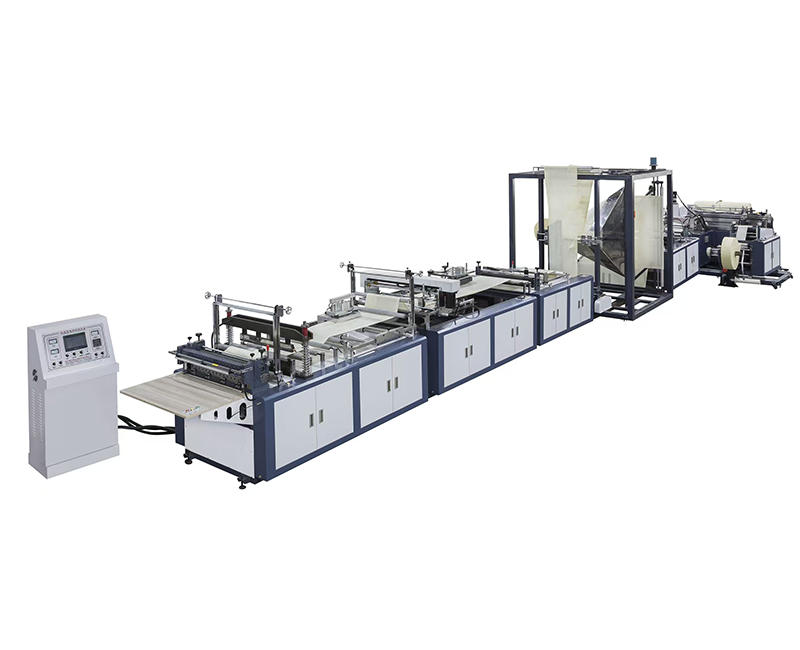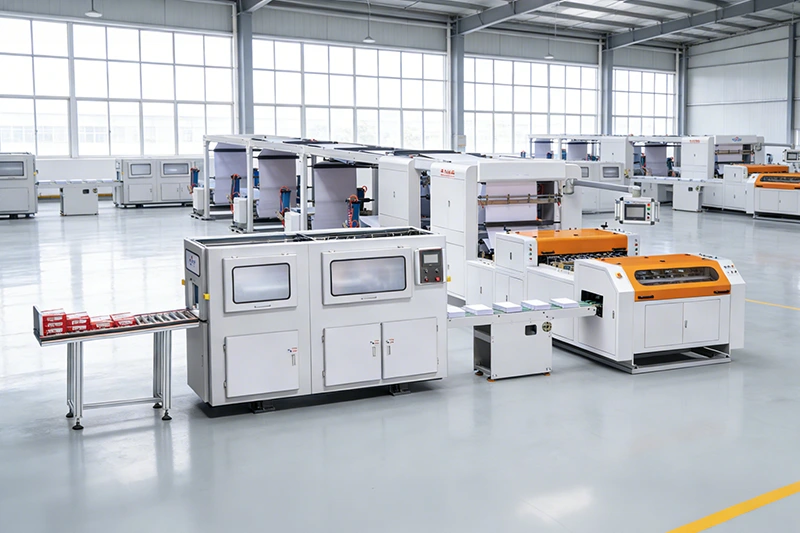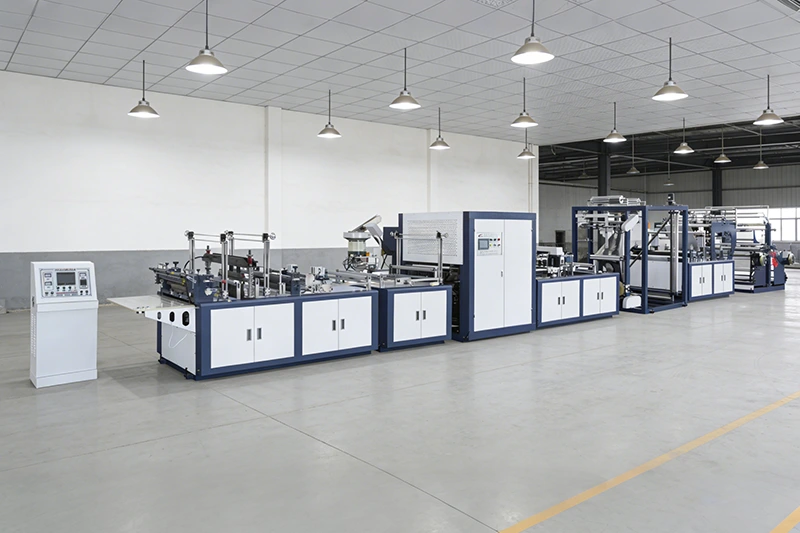

Green Ohm provides practical printing equipment for manufacturers seeking a reliable Microcomputer Controlled Swing Arm Screen Printing Machine. With microcomputer-based operation, precise screen positioning, stable printing speed, vacuum adsorption, and flexible material compatibility, this equipment is designed to help printing businesses achieve consistent quality while improving production efficiency.
A modern screen printing machine must balance printing accuracy, operating convenience, production speed, and material adaptability. The Microcomputer Controlled Swing Arm Screen Printing Machine combines an LCD computer control system, dual frequency conversion, a reduction motor, vacuum automatic adsorption, and adjustable screen height to support stable flat-material printing. The BS-4060B model offers a maximum printing area of 400 × 600 mm and a maximum printing speed of up to 1,300 cycles per hour. Its application range covers paper, plastic, leather, acrylic, non-woven bags, stickers, cards, packaging materials, and other flat products.
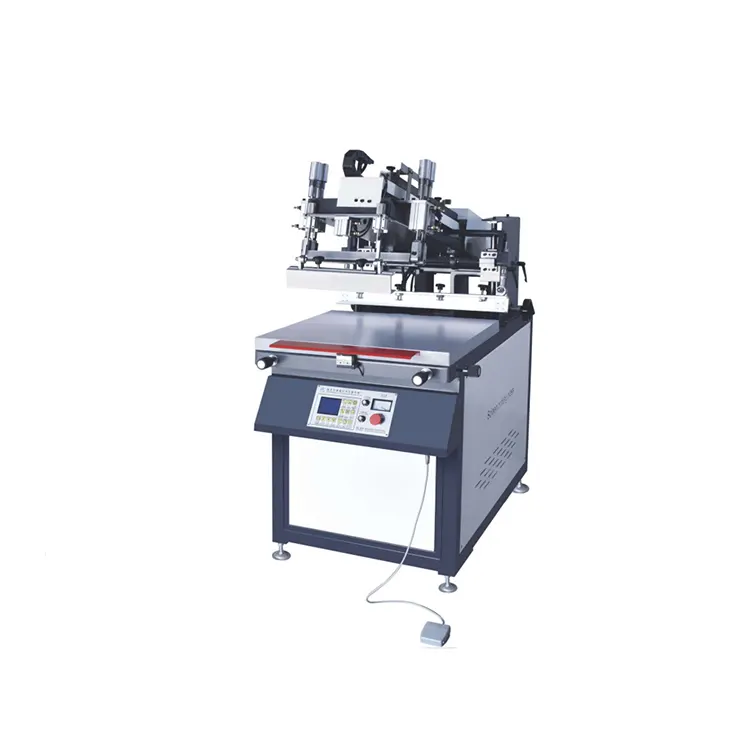
Table of Contents
- What Is a Microcomputer Controlled Swing Arm Screen Printing Machine?
- What Are Its Key Technical Features?
- Which Materials and Applications Can It Handle?
- What Are the Main Specifications?
- Why Does It Improve Production Efficiency?
- How Should Buyers Evaluate a Screen Printing Machine?
- Frequently Asked Questions
What Is a Microcomputer Controlled Swing Arm Screen Printing Machine?
A swing arm screen printing machine is designed for screen printing on relatively flat substrates. Unlike manually operated equipment, a microcomputer-controlled configuration uses an integrated control system to coordinate important printing functions and make routine operation more convenient.
The model supplied by Green Ohm Machinery is designed as an economical and universal printing solution. Its microcomputer control system uses an LCD interface to manage the operating process, while dual frequency conversion technology controls the swing arm and printing movement. This combination helps maintain smooth operation even when the machine is running at higher speeds.
For manufacturers, the value is not simply automation. Stable movement, repeatable positioning, controlled screen height, and reliable substrate fixation can directly influence print consistency. These characteristics are particularly useful when production involves repeated batches of the same graphic or when accurate registration is important.
What Are Its Key Technical Features?
1. Microcomputer LCD Control
The multifunctional LCD computer interface allows operators to manage the main operating functions from a centralized control system. A straightforward interface can reduce unnecessary manual adjustments and make daily production easier to manage.
2. Dual Frequency Conversion Control
The swing arm and printing functions use dual frequency conversion control together with a reduction motor. This configuration supports adjustable speed and smoother movement, helping the machine maintain stable performance during continuous printing.
3. Dual Scraper Function
The equipment is equipped with a dual scraper configuration. The ink-returning blade can be replaced by a scraper, allowing scraping operations from both the front and back. This adds flexibility when adapting the printing process to different production requirements.
4. Vacuum Automatic Adsorption Platform
Substrate stability is essential for accurate screen printing. The vacuum automatic adsorption platform helps hold the material securely during printing. A fine-adjustment handle is also provided for proofreading and screen alignment, making positioning adjustments more convenient.
5. Adjustable Printing Height
The printing module incorporates a lifting motor connection and hand wheels on both sides of the columns for fine screen-height adjustment. According to the published specifications, the machine can print objects with a thickness or height of up to 100 mm, expanding its suitability beyond very thin flat sheets.
Which Materials and Applications Can It Handle?
Material compatibility is one of the major considerations when selecting screen printing equipment. This machine is designed for various flat materials and can be used across several commercial and industrial printing applications.
- Paper and decorative paper
- Plastic and plastic leather
- Acrylic sheets
- Non-woven fabric bags
- Film switches and stickers
- Cards and scraping cards
- Gift boxes and wine boxes
- Calendars, books, and magazines
- Process ceramic decorative products
- Heat-transfer and watermark applications
- Anti-counterfeiting printing
- Local surface gluing and specialty finishing
The equipment can also support specialty surface effects, including UV, ice, wrinkle, crease, and frosting-related applications, depending on the selected screen, ink, substrate, and production process.
For businesses handling multiple product categories, this versatility can reduce the need for separate equipment for every substrate type. However, the final production result still depends on factors such as ink selection, screen mesh, substrate properties, artwork, curing method, and operator setup.
What Are the Main Specifications?
The BS-4060B configuration provides a useful reference for evaluating machine capacity, installation requirements, and production compatibility.
| Specification | BS-4060B |
|---|---|
| Maximum Printing Area | 400 × 600 mm |
| Maximum Mesh Frame Area | 700 × 850 mm |
| Minimum Screen Size | 500 × 400 mm |
| Printing Platform Size | 600 × 700 mm |
| Maximum Printing Speed | Up to 1,300 cycles/hour |
| Working Air Pressure | 5–8 bar |
| Power Supply / Power | 380 V / 2.05 kW |
| Overall Weight | Approximately 400 kg |
| Machine Dimensions | 1,500 × 780 × 1,300 mm |
These specifications should be considered alongside the actual substrate dimensions, screen frame requirements, available workshop space, electrical standards, compressed-air infrastructure, and expected production volume before purchasing.
Why Does It Improve Production Efficiency?
Consistent Printing Movement
Stable mechanical movement helps reduce variations between individual print cycles. Frequency conversion control also allows production teams to adjust operating speed according to the characteristics of the material and printing job.
Faster Setup and Alignment
The vacuum adsorption platform and fine-adjustment mechanism are designed to simplify substrate positioning. Accurate setup is especially important when the same artwork needs to be reproduced across a large batch.
Reduced Operator Complexity
A centralized LCD control system provides an easier way to manage machine functions than relying entirely on manual controls. This can help standardize routine operations and reduce the learning curve for new operators.
Broader Production Flexibility
Because the equipment can accommodate different flat substrates and specialty applications, manufacturers can use one machine across multiple product lines. This flexibility can be valuable for custom printing companies handling diverse orders.
Practical Production Design
The combination of adjustable screen height, vacuum adsorption, dual scraper functionality, and controlled swing-arm movement makes the machine suitable for manufacturers that need a balance between functionality and investment cost.
How Should Buyers Evaluate a Screen Printing Machine?
Choosing printing equipment should begin with the production requirement rather than simply comparing machine prices. Buyers should assess the complete workflow and determine whether the machine matches the intended application.
- Check the maximum printing size: Make sure the available printing area covers your largest regular product.
- Confirm substrate compatibility: Test the actual paper, plastic, leather, acrylic, or other material whenever possible.
- Evaluate required speed: Compare expected daily output with the machine's rated operating capacity.
- Review alignment requirements: Applications involving fine graphics or multiple colors require reliable positioning and registration.
- Consider installation conditions: Confirm power, compressed-air pressure, floor space, machine weight, and access requirements.
- Assess maintenance and support: A reliable supplier should provide clear technical information, machine testing, spare-part support, and communication before and after delivery.
Green Ohm Machinery states that finished machines are tested before delivery and that its production system and supply chain are organized to support stable quality and delivery. For buyers comparing suppliers, these manufacturing and inspection practices can be useful factors alongside technical specifications and price.
Frequently Asked Questions
What is the maximum printing area of the BS-4060B?
The maximum printing area is 400 × 600 mm. The printing platform measures 600 × 700 mm.
What materials can this machine print?
It is designed for a variety of flat materials, including paper, plastic, leather, acrylic, non-woven fabric, film switches, stickers, cards, packaging products, and other suitable substrates.
How fast can the machine print?
The published maximum printing speed is up to 1,300 cycles per hour. Actual output can vary according to substrate, artwork, ink, screen setup, operator workflow, and printing conditions.
Does the machine support automatic material adsorption?
Yes. The machine uses a vacuum automatic adsorption platform to help hold substrates in position during printing and facilitate alignment adjustment.
Can the printing height be adjusted?
Yes. Hand wheels on both sides of the columns allow fine adjustment of screen height, and the machine is designed to print objects up to 100 mm in height according to the published product information.
Why choose Green Ohm for screen printing equipment?
Green Ohm Machinery focuses on practical printing equipment and reports strict testing of finished machines before delivery. Buyers can discuss printing materials, required dimensions, production volume, configuration, and application requirements with the supplier before placing an order.
Conclusion
For manufacturers looking for a flexible and practical solution for flat-material screen printing, the Microcomputer Controlled Swing Arm Screen Printing Machine offers a combination of microcomputer control, stable movement, vacuum adsorption, adjustable screen height, and broad application compatibility. With a 400 × 600 mm maximum printing area and a rated maximum speed of up to 1,300 cycles per hour for the BS-4060B model, it can serve diverse printing and specialty surface-processing requirements. If you are evaluating equipment for your next production line, contact us to discuss your substrate, printing size, output target, and configuration requirements with the Green Ohm team.